

MOUNTAIN CLIMBING IN KENYA
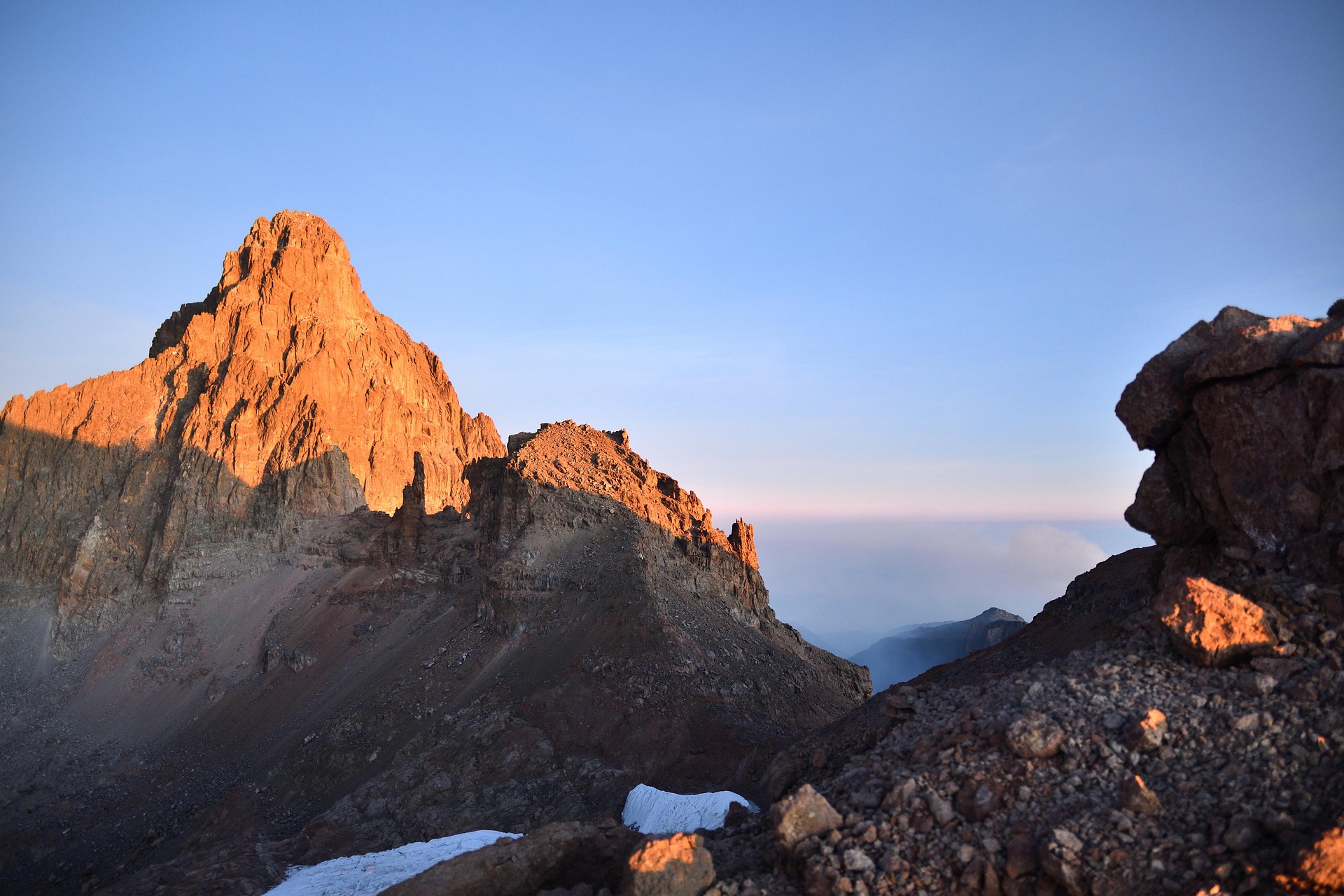
Mountain climbing in Kenya is one of the most adventurous safari experiences in this East African nation. It involves hiking to the challenging summits of some of the most popular mountains in Kenya.
Some of the most prominent Kenyan mountains where climbing excursions are done include Mount Kenya, Mount Longonot, Mount Elgon (Kenyan side), and Mount Satima, which are considered to be some of East Africa’s most impressive natural wonders.
From the Great Rift Valley to the central highlands, these volcanoes rise dramatically out of the Kenyan skies, presenting hikers and climbers with spectacular landscapes, diverse ecosystems, and amazing adventures.
The climbers sleep in a variety of available accommodation on the mountains or in nearby towns such as the Austrian Hut, Old Moses Camp, Shipton’s Camp, Mackinder’s Camp among many more during the mountain climbing trips in Kenya for proper acclimatization and good rest in between the expeditions.
Whether you are an aspiring climber with dreams of conquering high peaks or just a lover of panoramic views, mountain climbing in Kenya delivers an unmatched experience that will be carved in your memory forever.
Essential Takeaways for Mountain Climbing in Kenya
- Kenya has world-class mountain climbing with technical alpine ascents and easy high-altitude hikes.
- Unusual mountain habitats in Kenya offer insight into the variety of flora and fauna of high-elevation areas that range from lush rain forests to unusual afro-alpine moorlands.
- Mount Kenya is the most popular mountain climbing destination in Kenya. It is the second highest peak in Africa at 5,199 meters. It attracts people from all over the world who often characterize it as a real mountaineer’s mountain because of its abundance of species and obstacles.
- More information about other interesting Kenyan mountains worth climbing, including Mount Longonot and other interesting things to know when you start to organize mountain climbing excursions in Kenya.
Best Kenya Safari Tour Packages







Here is everything you need to know about mountain climbing in Kenya!
Mountain Climbing Experience in the Key Mountains and Destinations in Kenya
Mountain climbing in Kenya is done on a few Kenyan mountains and destinations, including
Mount Kenya in Mount Kenya National Park

Mount Kenya, sitting at the center of the central highlands, is one of the most popular mountains where mountain climbing in Kenya is done.
Mount Kenya in central Kenya, just 150 km northeast of Nairobi, is significant in Africa because it is the second-highest peak in Africa, or Africa’s second-highest mountain, standing at 5,199 meters, an aspect that highlights its importance in climbing and trekking pursuits.
This stratovolcano, formed millions of years ago, Mount Kenya, is considered a sacred place for local communities of the Kikuyu, Embu, and Meru people as their legends and spiritual beliefs are tied to it.
This UNESCO World Heritage Site (1997) is found near the equator in Mount Kenya National Park, which spans approximately 715 sq km and is home to several wildlife species, including 130+ rare birds, elephants, buffaloes (lower forests), rock hyraxes, tree hyraxes, etc.
Mount Kenya National Park protects the upper slopes and highest peaks, while the Kenya Wildlife Service manages it along with the surrounding forest reserve.
Mount Kenya (an extinct volcano) has three main peaks, i.e., Batian (5,199m), Nelion (5,188m), and Point Lenana (4,984m), which is the most accessible peak.
Other features include Point John, Midget Peak, and outlying peaks like Terere and Sendeyo with surrounding dramatic landscapes, including glaciers like the Lewis Glacier, that add beauty to the adventure and scenery.
To climb Mount Kenya, tourists, depending on their level of fitness, can choose from several approach routes on the mountain to carry out their safari excursions, i.e.,
SIRIMON ROUTE FOR CLIMBING MOUNT KENYA—THE HIGHEST MOUNTAIN IN KENYA
The Sirimon route is the most popular and reliable approach route on Mount Kenya for acclimatization, found on the north side, and it usually takes 4-5 days to reach Point Lenana (4,984 meters above sea level) or Batian (5,199m above sea level) and also descend.
The Sirimon trail has stunning scenery characterized by forests and northern moorlands and leads to Old Moses Camp and then ascends to Shipton’s Camp with possible walks to the lower Simba tarn passing near Sendeyo and Terere.
While many climbers use this same route on Mt Kenya to access Batian for technical climbs, other hikers combine the Sirimon route with the Chogoria route for a fantastic circuit.
MT. KENYA CHOGORIA ROUTE AND DURATION
The Chogoria route on the eastern side is one of the most scenic routes on Mount Kenya (the highest mountain in Kenya), with sweeping views of the glacial tarns, waterfalls, and gorges, and it takes about 5-6 days to trek.
The Chogoria route is highly recommended for travelers who require good acclimatization during the mountain climbing excursions and are comfortable with camping, as there are no huts.
It is known for highlights like the Gorge Valley, Lake Michaelson, Lake Ellis, Nithi Falls, lush forests, and other things to see along the route.
MT. KENYA NARO MORU ROUTE – POINT LENANA
The Naro Moru route on Mount Kenya, which starts near Naro Moru town, is the steepest and fastest route to Point Lenana, with low gradual acclimatization usually taking 3-4 days to complete for the experienced.
The Naro Moru trail on Mt. Kenya is known for having a Vertical bog just below the upper alpine zones.
The Naro Moru route leads to the Meteorological Station (Met Station) as a good accommodation option at 3,050 meters and Mackinder’s Camp at 4,200 meters, which can accommodate up to 66 people.
The Naro Moru River Lodge manages this Met station.
MT KENYA BATIAN AND NELION TECHNICAL CLIMBING ROUTES AND DURATION
The Batian and Nelion routes on Mount Kenya are advanced multi-day rock climbing trails that require specialized mountain climbing gear and guides.
To cross the famous ‘ Gate of Mist’ on the twin peaks of Mount Kenya (Batian and Nelion), hikers need to have advanced alpine skills, multi-pitch climbing experience, and technical climbing gear like advanced ropes, ice axes, harnesses, and crampons for these technical routes.
The Batian peak stands at 5,199m, while the Nelion peak stands at 5,188 m, and the most available accommodation is the Austrian Hut, which also acts as a good resting place for further treks to Point Lenana, Point John, etc.
The Normal Route on both Batian and Nelion is a Grade IV climb, first ascended in 1929, and typically involves twenty roped pitches.
The Normal Route on Nelion consists of an easy glacial approach followed by 20 pitches of solid volcanic rock, requiring climbers to be relatively experienced and comfortable on steep and exposed ground.
The north face standard route is another straightforward route often used when climbing Batian, though it is a grade harder than the south face of Nelion (~Hard vs.), and it can be descended quickly by most people from Shipton’s Camp, crossing the Gates of Mist and then abseiling down Nelion’s South Face.
ACCOMMODATION ON MOUNT KENYA – THE SECOND-HIGHEST PEAK IN AFRICA
The most common accommodation options available for hikes on Mount Kenya (the highest point in Kenya) include
- Huts: Old Moses, Shipton’s Camp, Howell Hut, Austrian Hut, Liki North Hut, and Mackinder’s Camp or Huts on the Sirimon and Naro Moru trails (up to 66 people). These offers bunk beds, dorms, communal dining areas, and basic sanitation along the climbing trails.
- Camping: This is available on all other routes, especially on the Chogoria trail near Lake Michaelson, which has no huts, requiring climbers to be self-sufficient and carry their own tents and supplies along the way, like sleeping bags.
- Lodges: Nearby lodges like the Naro Moru Lodge provide comfortable bases before or after the climb.
PARK ENTRY FEES, AND PERMITS
The average costs to incur when climbing Mount Kenya include park entry fees that range from USD 50-70 for foreign non-residents and climbing permit fees, which cost USD 50 -100 per person per climb.
These permit and park entry fees for entering Mount Kenya National Park are set by the KWS and vary depending on the duration of stay and activities planned.
The total costs for a guided trip often range from USD 1,000 to 2,000+ per person, including fees, guides, food, and accommodation.
PREPARATION AND SAFETY WHEN CLIMBING MOUNT KENYA
- Pack the required warm clothing and gear for the summit attempts because mountain weather changes quickly, e.g., at Point Lenana.
- For the safety of wildlife, entry and departure to Mount Kenya National Park are only allowed during daytime hours, before 6 PM.
- All climbers must purchase park entry permits from the Kenya Wildlife Service (KWS) to enter Mount Kenya National Park.
- Engage a local guide who is fully familiar with the Mount Kenya climbing routes for safety and navigation considerations as required by the KWS.
- Because of the high altitude, it is highly recommended to spend at least 4 days to avoid altitude sickness.
- Begin training 8-12 weeks before the trip, emphasizing cardiovascular conditioning, hill walking with a weighted backpack, and strength exercises.
- Get a guidebook from the Mountain Club of Kenya to aid you in preparing for the summit attempt, navigation, etc.
Mount Elgon, Kenya – Mount Elgon National Park

Mount Elgon in Kenya is another of the popular destinations where mountain climbing is done in Kenya.
Mount Elgon is shared between Uganda and Kenya and is located in the Mount Elgon National Park at an elevation of ~4,321 m above sea level.
Mount Elgon is famous for the largest mountain caldera in the world, measuring ~ 40 km, with unique biodiversity in its surrounding landscapes and panoramic vistas of its wide plains below.
POPULAR ROUTES AND DURATIONS
Climbing Mount Elgon, the Kenyan side, involves hiking to lesser summits like Koitobos or the Endebess Bluff since the highest peak, Wagagai (4,321m), is on the Ugandan side, which requires a border crossing.
The climbs often start from the Kitale region and last between 1 day and 5-day excursions focusing on calderas, caves, and lesser peaks.
- The Chorlim Gate to Koitobos Peak (Kenya): To reach the Koitobos peak at 4,155m, travelers need to traverse a very steep terrain that often takes 3 to 4 days for a standard ascent and descent.
- The Kimilili Route: This is considered the most scenic and established route on the Kenyan side of Mount Elgon.
- The Endebess Bluff Trail/Masara Route: This primary route enables hikers to climb Mount Elgon from Mount Elgon National Park, lasting about 2 to 3 days and often involving using a 4WD, as walking along the access road isn’t permitted.
- Transboundary Hikes: These enable visitors to hike to the Wagagai peak and cross into Uganda, though it requires a border crossing and lasts between 5 and 6 days.
ACCOMMODATION AT MOUNT ELGON, KENYA
- Lodges: Most climbers often stay at Mount Elgon Lodge before and after the treks or at other lodging facilities in the Kitale region.
- Park Bandas: Mount Elgon National Park, through KWS, operates basic Bandas or cabins, near Chorlim Gate, where travelers can spend a night.
- Camping: Designated KWS campsite on Mount Elgon, Kenya, and caves like Kitum Cave are available for rest, though you need to carry your own gear, tents, and food.
MOUNT ELGON NATIONAL PARK FEES AND PERMITS
You can obtain climbing permits from the Kenya Wildlife Service (KWS) offices or at Chorlim Gate, which often cost around USD 50-100 per day, and also budget around USD 50-100 per day for entrance fees, porters, own guides, meals, etc.
Ol Donyo Lesatima or Mount Satima, Aberdare Ranges
Ol Donyo Lesatima, or Mount Satima, is another of the stunning mountains in Kenya where mountain climbing is done.
The mountain’s name is derived from a Maasai word, ‘Ol Donyo Lesatima,’ which means ‘mountain of the bull calf.’
With an elevation of about 4,001 meters above sea level, Mount Satima, the third-highest summit in Kenya, is found in Aberdare National Park and is popularly known for its ‘Dragon’s Teeth’ jagged rock formations.
Ol Donyo Lesatima, the highest peak in the Aberdare Ranges, is known for offering scenic hikes that take between 5 and 7 hours to complete the 14-16 km trek through dense forests and waterfalls, and it is also often used to prepare for Mount Kenya climbs.
POPULAR ROUTE DESCRIPTIONS AND DURATIONS
- Dragon’s Teeth & Summit Route (West): This is the most famous climbing route, starting from the Shamata (or Rhino park gate) and stretching for about 16km through lush moorlands and iconic ‘Dragon’s Teeth’ seen before arriving at the summit. The hike normally takes around 6 to 9 hours to complete (ascent and descent).
- Wandare Route (East): This is another longer climbing route that is less technical, starting from Wandare Gate and passing through alpine bamboo and moorlands, though it takes over 7 to 9 hours to complete.
MOUNT SATIMA ACCOMMODATION
- Day Hike Lodges: Most hikers do not camp on the mountain; instead, they stay in lodges in nearby towns such as Naivasha, Nyahururu, or Nyeri or in the Aberdare cottages/Fishing lodges managed by KWS.
- Public and Special Campsites: KWS offers climbers access to public and special campsites inside Aberdare NP, especially near Rhino Gate or Shamata park gate, for those who can carry their own camping gear.
ABERDARE NATIONAL PARK FEES, AND PERMITS
The Aberdare National Park costs are USD 70-100 depending on the nationality of the visitor. The fees for climbing permits are similarly USD 80-150 per person per day.
It is important to factor in the mandatory armed KWS guide or ranger fees, which average around KES 3000.
Mount Longonot in Mount Longonot National Park
Mount Longonot is another of the stunning mountains in Kenya where mountain climbing is done.
Mount Longonot, a dormant volcano located ~90km northwest of Nairobi and 30 minutes from Lake Naivasha, features a dramatic crater loop and is suitable for a one-day hike often combined with a trip to Lake Naivasha.
Climbing Mount Longonot in Mount Longonot National Park in Kenya’s Great Rift Valley involves trekking from a 2,100m elevation, ascending to the steep volcanic cone ~2,776m above sea level via a 13km rim circuit that takes about 4 to 6 hours.
POPULAR ROUTES AND DURATIONS
- The Main Ascent: This is a direct trail up the crater rim that is quite steep and physically challenging, lasting about 1.5 to 2 hours from the park gate.
- The Crater Rim Circuit: Upon reaching the crater rim of Mount Longonot, hiking the loop around the massive volcanic crater takes an additional 3 to 4 hours.
This means that for a full crater hike, expect 5 to 7 hours round trip. Hikers are strongly encouraged to start early in the morning, around 7:00 AM – 8:00 AM, to avoid the intense midday heat and potential afternoon winds that often cause small forest fires, and also hire their own guides.
MOUNT LONGONOT ACCOMMODATION
While there are no lodges in Mount Longonot National Park, hikers can stay in accommodation options in the nearby town of Lake Naivasha.
- Lodges: Lake Naivasha Sopa Resort (luxury), Triple Eden Naivasha, and the Firebird Inn offer climbers comfortable stays.
- Camping: Olongonot Campsite, just inside the park entrance, is one of the campsites where hikers can spend a night.
MOUNT LONGONOT NATIONAL PARK RATES, AND PERMITS
The Mount Longonot National Park rates range from USD 50 to 100, depending on the hiker’s nationality, and often act as the climbing fees.
Budget for mandatory guide fees, often ranging from KES 1,500-2,000 per day.
Things To See on Kenya Mountain Climbing Adventures
Mountain hikers on Kenyan mountain climbing adventures have plenty of chances to see unique attractions such as
- Unique Flora
Most of the mountains in Kenya, where climbers often hike, have stunning flora and plant species mostly in the alpine zones, such as the giant lobelias and giant groundsels that only thrive in the harsh high-altitude climate.
- Diverse Mountain Wildlife Species

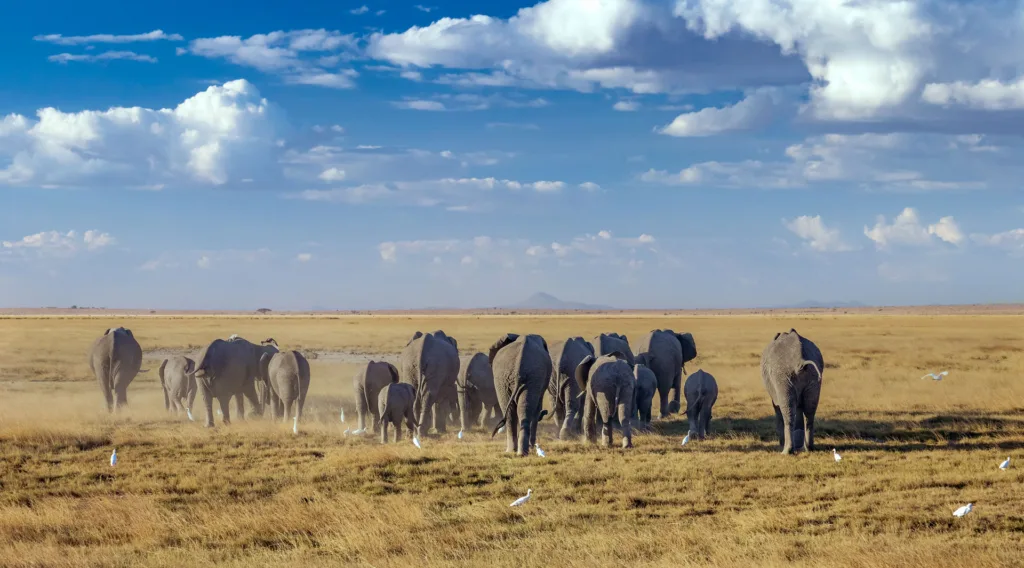
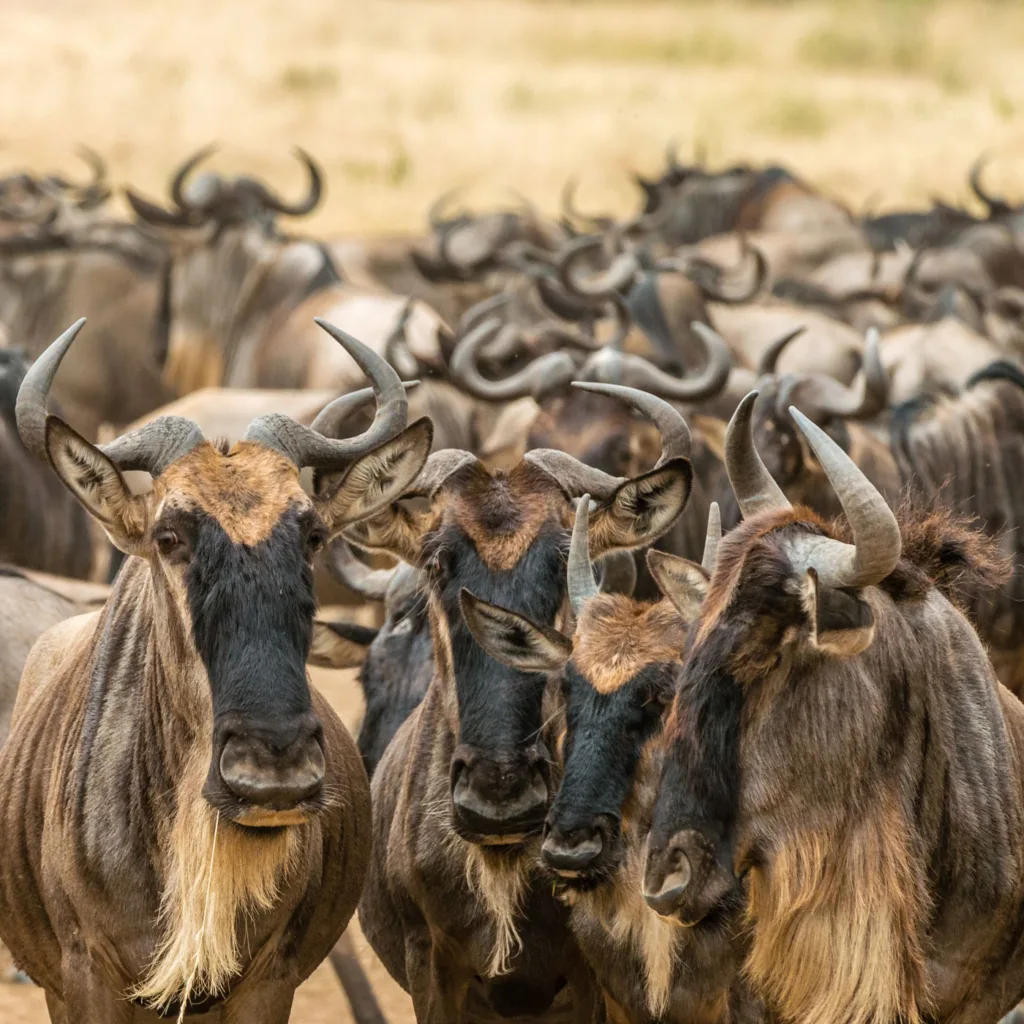
During mountaineering excursions in Kenya, hikers on foot often spot several mountain fauna such as the buffalo, elephants, zebras, Mount Kenya Rock hyrax, black and white colobus monkeys, and beautiful birds, among other animal species.
- Glaciers
Hikers who choose to climb Kenya’s mountains have many chances of spotting the unique glacial lakes on some of the mountains, such as Lake Michaelson and Lake Ellis, plus other minor glaciers like the Lewis Glacier found beneath the dramatic cliffs of Mount Kenya.
Most of these lakes provide water to farmlands, especially in the central highlands.
- Gorges Valley
The Gorge Valley is one of the highlights seen during mountain climbing trips on the eastern Chogoria route, with sweeping views of cascading waterfalls like the Nithi Falls.
- The Vertical Bog
The notorious, challenging, spongy, and waterlogged section of the Naro Moru trail is another of the interesting things to see when on mountaineering adventures in Kenya.
These, among several other highlights, are some of the things seen by climbers on mountain climbing excursions in Kenya.
Mountain Climbing Guidelines and Tips to Follow
Tourists seeking to go mountain climbing in Kenya are strongly encouraged to follow these guidelines and tips below
- Mountain weather in Kenya can shift rapidly from equatorial heat to freezing arctic conditions, so endeavor to carry appropriate gear and clothing as suggested by the travel agent.
- To avoid altitude sickness, climbers should acclimatize by pacing themselves while climbing Kenya’s mountains.
- Training for mountain climbing should start 8–12 weeks in advance, focusing on cardiovascular endurance and practicing with a weighted backpack.
- A three-layer clothing system is recommended for mountain climbing, including a moisture-wicking base layer, an insulating mid-layer, and a breathable waterproof hardshell.
- Appropriate climbing preparation includes a gear checklist of waterproof apparel, sturdy hiking boots, and thermal layers.
- Visitors are encouraged to observe all environmental protocols to manage waste and safeguard sensitive habitats.
- Be prepared to recognize symptoms of altitude sickness, hydrate, eat well, descend if necessary, and take time to rest at the accommodations offered, such as the Austrian Hut, etc.
- Respect wildlife in the parks and follow all advice from guides.
- Use local guides to assist the community and improve your mountain climbing excursions; they know the cultural value of the mountain and are familiar with the paths.
Best Mountain Climbing Times in Kenya
The greatest months for climbing mountains in Kenya are during the dry seasons of January, February, early March, and August. September to December also offers fantastic alternatives.
The dry season has more consistent weather, less rain and no muddy routes. Climbing expeditions are easy, and lodging in places such as the Austrian Hut is comfortable.
The wet season (April, May and November) can make climbing Kenya’s mountains exceedingly difficult, as the routes are slippery and the weather is unpredictable, making climbing difficult.
Reputable Kenya Travel Agents Offering Mountain Climbing Packages
- Prime Safaris & Tours Ltd
- Wild Gorilla Safaris
- Kenya safari Tours
- Africa Safari Tours
- Tanzania Safaris and Tours
These reputable tour operators, highly praised for how well they have handled previous trips, offer some of the best mountain climbing in Kenya packages and arrange transport, including overnight flights, meals, guides, and accommodations.
Packing List for Kenya Mountaineering Tours
For a safe and enjoyable mountain climbing adventure in Kenya, we strongly advise that you pack and carry the following essential items
- Climbing Gear: Helmet, harness, carabiners, slings, crampons, ice axes, and ropes.
- Waterproof Clothing: Fleece jackets, insulated jackets, headwear, gloves, waterproof rain jackets, moisture-wicking base layers, trekking pants, etc.
- Footwear: Hiking boots, rock shoes, lightweight sneakers, synthetic trekking socks, gaiters
- Gear and Electronics: sleeping bag, trekking poles, guidebook from the Mountain Club of Kenya, headlamp, camera and extra batteries. Rent technical gear if required for climbing Batian and Nelion technical summits.
- Personal Items: Medicines for high-altitude sickness, sun protection sunscreen, insect repellent, wet wipes, a good first aid kit, energy foods & drinking water bottles.
Answers To Commonly Asked Questions About Mountain Climbing in Kenya
1. How Difficult Is Mount Kenya to Climb?
The highest point in Kenya, Mount Kenya, offers a variety of climbing options from hard multi-day excursions to more challenging technical climbs. Point Lenana is the most popular peak on Mount Kenya and does not need technical climbing abilities. It is appropriate for experienced trekkers.
2. Can A Beginner Climb Mount Kilimanjaro?
Yes, beginner hikers can easily climb Mount Kilimanjaro, as it has a non-technical peak requiring only stamina, endurance, and patience, not harnesses, ropes, or prior mountaineering experience.
3. Is Mount Kenya Harder Than Kilimanjaro?
The decision on which of the two African mountains in East Africa, Mount Kenya and Mount Kilimanjaro, is harder and greatly depends on your choice, as each offers a different hiking experience.
4. Do You Need Oxygen to Climb Mount Kenya?
There is no need for supplemental oxygen on a normal journey to Point Lenana on Mount Kenya; all hikers need to do is acclimatize well to avoid altitude sickness.
Our Kenya mountain climbing programs will accommodate for all your needs whether you are aiming to climb Mount Kenya, Longonot or Elgon. Contact us immediately via phone or email to start planning your journey!