


What do you know about the Kenya cultures? If nothing, then read more of this blog to discover everything worth knowing bout Kenya Africa culture and traditions that will leave you in awe!
Stretching from the Indian Ocean coast to the highland plateaus and the Great Rift Valley, Kenya, an East African country, is home to a rich diversity of communities whose customs continue to shape everyday life.
Culture of Kenya is best understood as a vibrant tapestry woven from dozens of ethnic groups (40+), traditions, languages (Bantu, Nilotic, and Cushitic), and histories blending with modern histories.
The important cultural aspects are strongly related to the well-known Maasai people, recognized by their red shukas (traditional dress), and the coastal Swahili people, whose culture is a mix of African, Arab, and Asian cultures.
It is a modern nation, shaped by global currents, the spread of cities, and the advance of technology. The result is a dynamic cultural scene where tradition and modernity coexist.
Key Insights about Culture of Kenya
- Kenya’s ethnic variety (almost 40 tribes) weaves together its cultural tapestry to give rise to its own traditions, artistic expressions, and social systems.
- There are several ethnic races, the major ones being Kikuyu (~17%), Luhya (~14%), Kalenjin (~13%), Luo (~10%), Kamba (~10%), Maasai, and Swahili people.
- Kenya in East Africa is home to a wide range of cultural practices. Ethnic variety is reflected in the country’s more than forty indigenous languages in addition to English and Swahili.
- Kenyan culture is heavily based on communal values, including collective support, respect for elders, and strong social linkages or familial ties within groups.
- Other key aspects of culture practiced by Kenyans in the country.
Best Kenya Safari Tour Packages








Here is everything you need to know about Kenyan African culture and tradition!
Ethnic Diversity in Kenya
The major aspects of Kenya’s culture are the ethnic diversity in this East African country.
Kenya has over 40 recognized native ethnic races, each with its own native foods, identity, traditions, and language, with a history of international interactions.
Among the largest are the Kikuyu, Luo, Luhya, Kalenjin, and Kamba, alongside the pastoralist communities like the Maasai and Samburu and the coastal Swahili populations with deep historical ties to Arab and Persian traders.
The major ethnic groups that most people in Kenya fall under include
1) Bantu Speaking Group
The Bantu-speaking tribal group is the largest ethnic race in Kenya, found mainly in the central, western, and coastal regions of Kenya.
They include different tribes like the Kamba, Meru, Embu, Tharaka, Mbere, Gussi, Kikuyu, Kuria, Luhya, Mijikenda, Pokomo, Segeju, Taveta, and Taita, often known for their agricultural practices as they grow grains among other foods.
CULTURE OF THE KIKUYU IN THE CENTRAL HIGHLANDS – MOST COMMON BATU TRIBAL GROUP
The Kikuyu, Kenya’s largest ethnic race (most populous group), are primarily agriculturalists living in the fertile central highlands, around Mount Kenya and Nairobi. Their traditions emphasize land ownership, family lineage, and community cooperation.
The Kikuyu are also known for playing important roles in the country’s politics, business, and modern society values.
2) Nilotic Speaking Group
The Nilotic-speaking tribal group is the second ethnic race in Kenya, found mainly in the plains, highlands, and lake regions of Kenya.
They include different tribes like the Luo, Maasai, Samburu, Teso, Turkana, Elmolo, Njemps, Kalenjin, Marakwet, Tugen, Pokot, Elkony, and Kipsigis, known for pastoralism and fishing practices.
CULTURE OF THE LUO OF WESTERN KENYA
The Luo, who live near Lake Victoria in western Kenya, are known for their strong oral traditions or storytelling practices, fishing heritage, and expressive music (Nyatiti) and dance.
The Luo people are known for their interests and dominance in the education and political landscape of the country, and for being fluent speakers.
THE MAASAI TRIBE AND PASTORAL HERITAGE
The Maasai people are perhaps Kenya’s most internationally recognized community and fiercely proud tribe found in southern Kenya.
The Maasai tribe (a fiercely proud tribe) is known for its nomadic way of life revolving around cattle or a semi-nomadic cattle-herding lifestyle.
They live in huts, walk barefoot, dress in robes, and decorate their hair with colored soils.
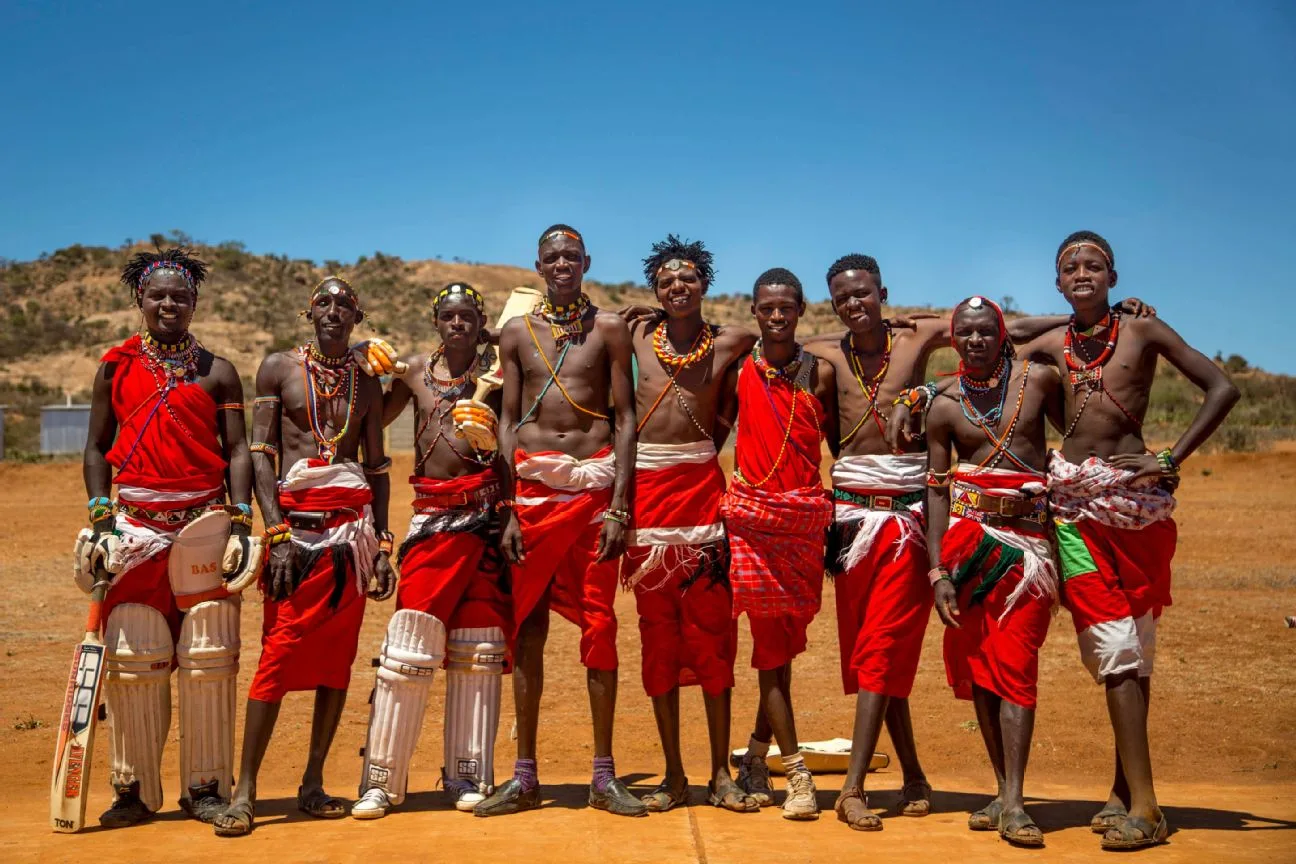
The Maasai people, also extending to Northern Tanzania, maintain distinct customs, including elaborate beadwork and ceremonial dress (red shukas); decorated hair using colored soils; jumping dances (adumu); and a warrior lifestyle (moran), as well as other cultural practices or nomadic ways of life revolving around cattle.
These Maasai people, who still walk barefoot, have resisted numerous attempts at modernization and consequently have gained great respect (and curiosity) internationally.
3) The Swahili Coast Culture
With African, Arab, Persian, and Asian elements, the Swahili people also have elaborate woodcarvings, distinctive architecture with carved doors, seafood dishes, festivals, and traditional Taarab music, found around the coast of Kenya in Lamu, Mombasa, and other coastal towns.
Their culture is heavily linked to Islam, trade, and old coastal traditions. Their main spoken language or mother tongue is Swahili, the national lingua franca of Kenya.
4) Cushitic Speaking Group
The Cushitic-speaking tribal group is the other ethnic race in Kenya, found mainly in the semi-arid areas of Kenya.
They include other communities like the Rendille, Somali, Boran, Gabbra, Orma, and Boni, known for their unique traditional African lifestyle amid breathtaking landscapes.
Kenya’s Official Language
The official language in Kenya is one of the key pillars of culture in the country.
The country has three major language families: Bantu, Nilotic, and Cushitic.
Kenya’s linguistic diversity reflects its ethnic diversity. The official and national languages spoken by Kenyans are English and Swahili, respectively, but dozens of indigenous languages are also widely spoken (40+).
- Swahili – The Universal Language
Swahili is the national language and is the common language used by the different ethnic tribes. It is used in everyday communication, media, and national identity, which ensures that Kenyans remain united.
- English – For Business and Education Use
English is also spoken by Kenyans and is an essential language in formal education, government, and world trade, which are also a reflection of Kenya’s colonial history and worldwide connections.
- Sheng – The Language of the Streets
Sheng, a combination of Swahili, English, and local languages, is widely spoken by young people and is a marker of urban identity.
Other indigenous or local languages, such as Kikuyu, Luo, and Luhya dialects, continue to be important markers of identity and cultural continuity.
It is interesting to note that most Kenyans are still united in that they are bilingual or multilingual, often speaking two or three languages that can signal their education, background, and regional identity.
Kenyan Cuisine and Food Culture
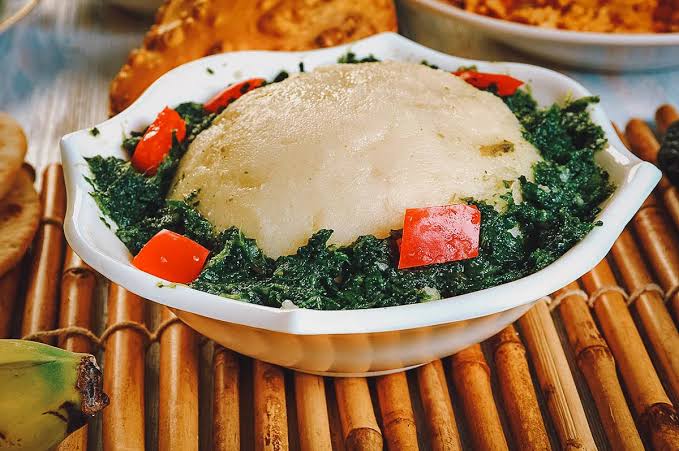
Kenya’s wide cuisine is another of the major key aspects related to the culture in this East African nation.
Kenyan food is a central part of the Kenyan culture, where having a meal together is important for family connection. Ugali, sukuma wiki, and nyama choma are some of the staples eaten by many people in Kenya, representing the diversity of the regions and cultural influences.
- Most Common Staple Foods
Ugali, a maize-based dish, is a staple food or native food across the country. It is often served with Sukuma wiki (collard greens), fish, and various meats in various settings, i.e., homes, high schools, etc.
- Nyama Choma (Often Eaten during Social Dining)
Nyama Choma is grilled meat that is a popular dish typically eaten or enjoyed at social gatherings.
- Coastal and Regional Dishes
Coastal cuisine, or food, is often not just one singular dish but many cuisines featuring coconut, spices, and seafood, while the inland areas focus more on grains and vegetables.
Other dishes or foods universally eaten by most people in Kenya include
- Kuku Choma (Grilled Chicken)
- Rice (common with working families)
- Chicken stew
- Samaki (fish)
- Kachumbari
- Maharagwe (beef stew)
- Managu, etc.
It is important to note that foods eaten by non-working and working families vary according to preference, status, income, and ethnicity.
Dining Etiquette in Kenya
When it comes to the dining etiquette in Kenya, meals are often communal, reinforcing social bonds.
Food is generally presented as a display of hospitality. It is just nice to at least try food when offered, to show appreciation.
In some communities, eating with hands is common, especially when sharing traditional dishes.
It is worth noting that in some traditional homes, elderly males have to start eating first before anyone else begins, especially the women, and drinks are served after meals.
Communication, Social Etiquette, and Cultural Norms
The other key aspects of Kenyan culture are closely related to communication, social etiquette, and norms.
Kenyan customs are characterized by friendliness and shared rituals that commonly include communal meals, courteous conversation, and storytelling.
In addition, in Kenya, communication is influenced by cultural values & standards of respect and decency.
- Greeting Customs
Greetings are significant, frequently include questions about family and well-being, as well as handshakes and hugs for warmth and respect.
- Indirect Communication Styles
In many contexts, most people prefer indirect communication to avoid confrontation and maintain harmony in Kenya.
Family Structure and Social Organization
Family structure and social organization are other important cornerstones of the Kenyan culture and society on the African continent.
Family in Kenyan culture is not limited to the nuclear unit, but includes cousins, uncles and aunts and plays a big role in the raising and daily life of a kid.
The important aspects related to family and social organization include
- Extended Family Systems
Extended families play a significant role, characterized by a strong sense of community, where sharing of resources, including food and personal items, provides emotional and financial support among family members.
- Role Of Men and Women
While traditional roles persist in some areas, urbanization has led to more fluid gender roles between men and women.
- Rites Of Passage and Ceremonies
Life events are marked by important cultural rituals, e.g., the circumcision of boys going into adulthood stages or those seeking warrior status.
- Marriage Traditions
Marriage often involves negotiations between families and the exchange of a bride price in some cultures.
Community And Cultural Heritage
Kenya’s communities are different but share common national ideals, intermarriage and economic interconnectedness. Urban areas are melting pots, in particular where cultural interaction happens every day.
- Traditional Values and Social Norms
Traditional African values continue to guide social interactions in many Kenyan communities.
It is important that you learn some key Swahili phrases if you wish to engage with the locals, such as
- Jambo, meaning Hello
- Asante, meaning Thank you
These phrases lighten conversations and the mood.
- Elderly Respect
They have respect for elders in their fabric. Elders are considered to be repositories of wisdom and are often consulted for their views in the decision-making process. The majority of Kenyans respect them by offering them a seat or greeting them first.
- Communal Living & Kinship
Family and community ties matter.People, especially in rural areas, depend on the extended family network for help.
- Humility and Social Conduct
They like humility, politeness, and generosity. It is a must to greet properly. Taking pictures of people should only be done after you’ve asked them if it’s okay; otherwise, you may be disrespectful.
- Weird Cultural Traditions
Kenya is a country of diversity, with many unique traditions like Eunoto, a Maasai rite of passage.
- Maasai Ceremonies
The Maasai are known for their brightly colored shukas (wraps of cloth) and beaded work. Ceremonies, such as rites of passage, are elaborate and laden with symbolism.
- Dress Code
People are expected to dress modestly, especially in rural areas of the country and on the Kenyan coast, where there is a strong Swahili influence.
- Kikuyu Farming Traditions
There is a strong link between the Kikuyu farmers and seasonal rituals and the land.
Artistic Traditions and Cultural Heritage in Kenya
The artistic traditions and cultural heritage are another important aspect of the culture in Kenya.
Kenya’s artistic expressions are deeply rooted in tradition, yet continue to evolve to date.
The key important sections related to these artistic traditions include the following.
- Music And Dance
Traditional music and dance vary by region, from Luo Benga rhythms to Maasai and Samburu chants and jumping dances or coastal Taarab music.
Dance is often tied to ceremonies and storytelling.
- Kenyan Literature, Storytelling, and Oral Traditions
Oral narratives have long been used to pass down history, morals, and cultural knowledge.
Some of the prominent Kenyan writers and authors that have gained great respect across the globe, like Ngugi wa Thiong’o, Meja Mwangi, and Margaret Ogola, have released unique works that extensively explore the cultural, political, and socio-economic themes of Kenya, often used for teaching purposes in high schools.
- Visual Arts and Craftsmanship
Kenyan artisans are known for their creativity and skill, especially the Kikuyu.
It is worth noting that besides modern arts, in areas like Lake Turkana, there are ancient petroglyphs that show human figures and animals.
Additionally, several films like Born Free, Lara Croft: Tomb Raider-the Cradle of Life, and others that have won awards have been shot in Kenya, and in them, Kenyan culture is reflected.
- Beadwork and Jewellery
Maasai beadwork is both decorative and symbolic, representing age, status, and identity of the Kenyans.
Some of the crafts made in Kenya include sisal baskets, Maasai beads, tribal masks, prints on clothes, etc.
- Textiles and Clothing
Though modern clothing is common among Kenyans, traditional attire and fabrics like Kitenge, Kanga, and Kikoi are widely worn, especially during ceremonies, and often feature vibrant colors and patterns.
- Woodcarving and Pottery
Crafts like Makonde carvings and traditional pottery showcase Kenya’s artistic heritage.
Festivals And Cultural Celebrations
Festivals and cultural celebrations in this nation are another key aspect related to culture in Kenya
Cultural celebrations and festivals provide opportunities to celebrate and preserve cultural traditions in Kenya.
Some of the festivals include.
- Lamu Cultural Festival
The Lamu cultural festival is one of the best cultural celebrations and festivals in the country. This coastal festival highlights Swahili heritage through music, poetry, and dhow races.
- National Holidays
National holidays are another of the fun cultural celebrations held in the country. Events like Jamhuri Day on December 12 celebrate Kenya’s independence and unity, characterized by colorful cultural parades.
Other festivals and ceremonies include
- Lake Turkana Festival in northern Kenya
- Mombasa Carnival
- Rift Valley Music Festival
- Maasai cultural ceremonies, i.e., Eunoto, etc.
Religion in Kenyan Society
Religion is a central aspect of life and culture in Kenya.
Approximately 85.5% of Kenya’s population is Christian, with significant Muslim and Hindu sects, contributing to a diverse religious landscape.
- Christians
The majority of Kenyans are Christians, and a significant number of churches, especially along the Kenyan coast, play a significant social role in the lives of the people.
- Muslims
Islam is prominent along the coast with a good number of mosques and strong Muslim sects, which shape daily routines and cultural practices.
- Hindus
The Hindus, among other religious communities, are commonly found in urban areas, with the Hindu population bigger than one can imagine.
Additionally, despite the spread of major religions, traditional African lifestyles and beliefs remain influential as well.
- Traditional Beliefs
Traditional African beliefs coexist with modern values in Kenya, where humility, concern for neighbors, and kinship ties are emphasized, alongside a growing presence of Christian and Islamic practices
Some races maintain traditional practices that honor ancestors and seek spiritual guidance, especially the Maasai, who have resisted numerous attempts at modernization.
Therefore, considering that many Kenyans blend traditional beliefs with modern values in their daily lives, religious practices influence everything from dress to social behavior and public holidays.
Business Culture in Kenya
Business culture in Kenya is another key aspect worth knowing about the culture of this country.
Kenyan business culture is characterized by a blend of formality, sociability, hierarchy, hospitality, and commercial ambition, making relationship-building essential for success.
Kenya’s business environment reflects traditional values, modern practices, and sprawling industrial complexes that encompass executives at the stock market and casual workers and roadside vendors on the streets.
Business trust and personal relationships are very essential in Kenya across sprawling industrial complexes.
Most meetings don’t get immediately down to business,but begin with greetings and a little light small talk.
They respect authority and seniority in their work environment, and their language in the workplace typically reflects broader cultural standards. It takes time to bargain.
Relationships above fast buys.That shows you how crucial personal bonds are over an agenda.You see it in everything from big industrial complexes to everyday deals.
Kenya is also known for its entrepreneurial mentality (the locomotive engine).
It’s in the computing community, in small businesses,on the stock market and even in the lives of casual workers and street food vendors who still have to walk home after a hard day.
The entrepreneurial spirit of Kenyans is the locomotive engine behind these attributes of hard work and perseverance.
Entrepreneurs often draw on communal support while embracing innovation, and while some days may be good for them, other times it could be worse to the extent that they have to walk home as they lack transport funds.
Urbanization and Cultural Change
Culture is deeply evident in major urban centers in Kenya, which makes cities an important contributor to Kenyan culture.
Kenya’s bustling cities, like Nairobi and Mombasa, are hubs for major cultural transformation.
Nairobi – A Kenyan Culture Melting Pot
In Nairobi, Kenyans remain united despite the fact that they come from different ethnic backgrounds and ultimately live and work together, creating a cosmopolitan environment.
Mombasa and Coastal Hubs
Mombasa, one of the bustling cities of Kenya, blends African, Arab, and European influences, evident in its architecture, cuisine, and social life.
Other key points to note about cultural change and urbanization include.
- Youth Culture and Modern Identity
The urban Kenyan’s identity is a mix of modern city living and deep-rooted cultural traditions, but is suffering at the hands of globalization. Kenya’s cultural evolution is spearheaded by the youth of Kenya.
- Creative Expression And Music
Genge and Kapuka are examples of genres that reflect urban experiences and social commentary. Artists often blend local tongues with global styles.
- Fusion of Tradition and Modernity
Most Kenyans today tread the tightrope between traditional standards and modern lifestyles. For instance, weddings could combine both traditional rites and modern festivities.
Harambee is a Swahili word meaning “pulling together and mutual effort” which also includes the idea of the necessity of community support and social responsibility in Kenyan culture.
Answers to Commonly Asked Questions About Kenya Culture
1. What Are 10 Examples of Culture? | What Are the Cultures of Kenya?
Here are the 10 most unique instances of the culture in Kenya;
- Language
- Racial diversity
- Gastronomic customs
- Religious and spiritual beliefs
- Holidays and festivals
- Clothes & Fashion
- Music, Dance, Art
- Norms and social manners
- Housing and Architecture
- Family Systems
2. What Is the Main Culture in Kenya?
Kenya does not have one culture, but a complex and diverse patchwork of cultures, made up of more than 40 different ethnic communities.
3. Is Kenya LGBT Friendly?
Kenyans practice traditional values, and therefore, the country is not LGBT friendly because same-sex relationships are punishable by 14 years in prison and are publicly shamed.
4. What Are 5 Examples of Cultural Traditions?
Kenyans practice traditional values different from those of many other African countries, including
- Polygamy practices in family structures, especially among the Maasai and Luo
- Storytelling and Oral traditions (siwindhe) are especially prevalent among the Luo.
- Traditional and cultural dances, especially among the Luhya (Isukuti) and the Adumu jumping dance among the Maasai.
- Intricate clothing, e.g., among the Maasai who wear Maasai beadwork and red shukas indicating age, social status, and marital status.
5. What Are Kenyans Known For?
Kenyans are hospitable and warm toward guests and have a wide mosaic of cultures, making it a multi-lingual country on the African continent.
6. What Are Some Cultural Taboos in Kenya?
Some of the highly regarded cultural taboos in Kenya include
- Disrespecting the elderly or senior people
- Using the left hand to greet people
- Pointing at people with a single finger
- Taking pictures of people without permission
- Discussing sensitive topics related to politics/Kenyan government, religion, and tribe.
7. How To Dress in Kenya as A Woman?
In Kenya, especially women are required to dress modestly by covering their shoulders and knees in areas in the rural centres, religious sites, coastal towns, etc.
8. What Are the Five Main Cultures?
The five main cultures in the world are
- Asian culture
- African Culture
- European culture
- Middle Eastern Culture
- Latin American culture
Whether you are seeking more information about the culture of Kenya or are interested in witnessing the culture of Kenya Africa firsthand, contact our team of experts now, and they will tailor the best Kenya cultural tour for you. Call or email us now!