Kenya Safari Tours: The Definitive Guide to Off-Roading Protocols in the Mara Ecosystem

Kenya Safaris: Decoding the 6 Micro-Seasons of the Masai Mara
June 24, 2026
Kenya Safari Packages: Maximizing the “Secret” Shoulder Season
June 29, 2026
You lock eyes with a male leopard through your 600mm lens. He is resting perfectly in the shade of a croton bush, exactly forty meters off the main dirt track. To get that coveted, award-winning “eye-level” shot, you need your driver to drop the vehicle into low gear, leave the road, and position you at a 45-degree angle to the sun.
Your driver shakes his head. The engine stays off.
This is the agonizing reality for many photographers on standard Kenya safari tours. They bring world-class gear but fail to research the localized zoning laws of the Masai Mara. Unregulated off-roading destroys delicate root systems, crushes ground-nesting birds, and stresses predators. To combat ecological degradation, Narok County and the Kenya Wildlife Service (KWS) have fundamentally rewritten the rulebook.
If you want to secure low-angle, unobstructed wildlife imagery without risking a KSh 10,000 on-the-spot fine or park expulsion, you must master the Mara’s zoning matrix. This guide dissects the strict new regulations and reveals the definitive “green zones” where professional off-roading remains a legal, tactical advantage.
The 2024 Regulatory Shift: Narok County’s Clampdown
The days of the “free-for-all” Mara are over. Driven by the Masai Mara Management Plan, authorities implemented sweeping changes to curb the “sighting swarms” that plagued the primary reserve.
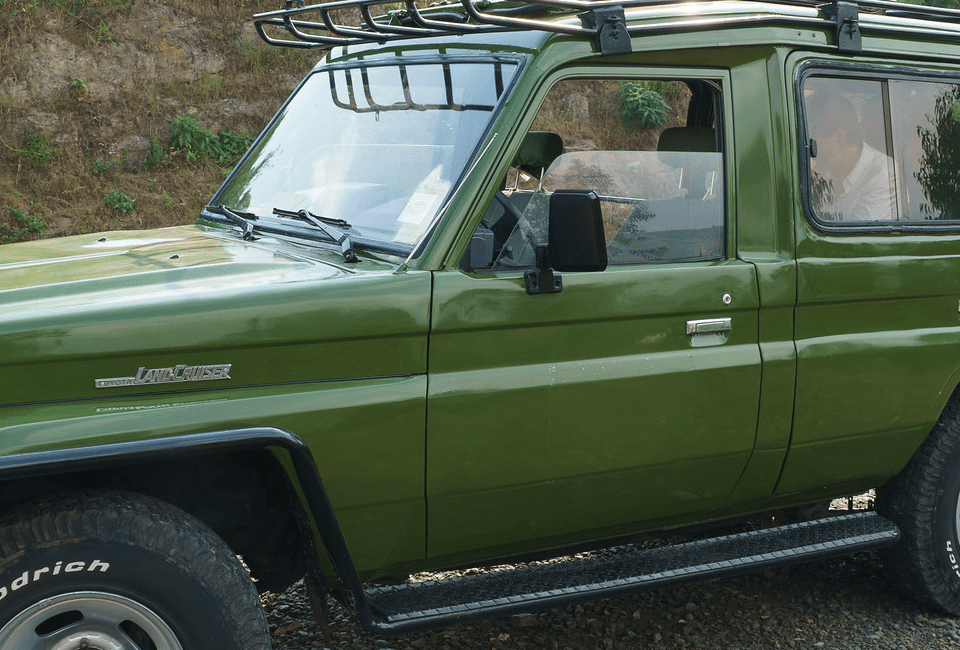
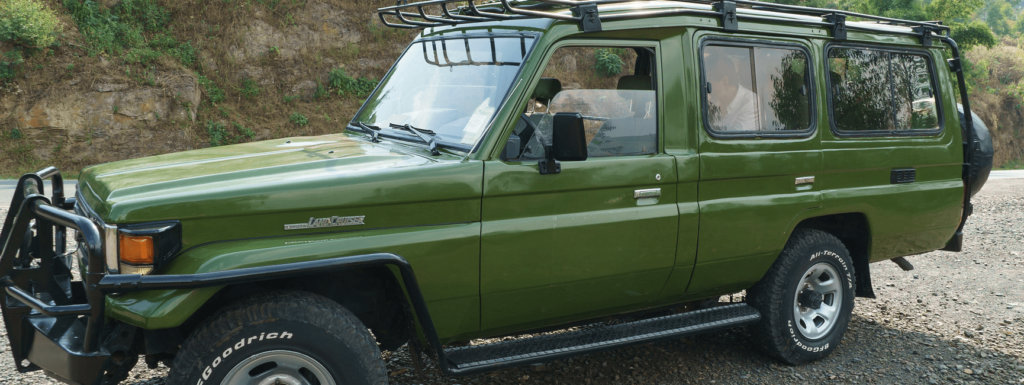
Foremost among these changes was the June 2024 ban on private self-drive vehicles. Today, only designated, licensed safari vehicles (custom Land Cruisers and specialized trucks) operated by registered guides may conduct game drives. This immediately eliminated the rogue off-roading frequently perpetrated by day-trippers.
Furthermore, the National Reserve now enforces strict geographical limitations. Ignorance of these invisible borders will ruin your Kenya safaris & tours.
Information Gain: The Off-Roading Zoning Matrix
To execute a successful photographic expedition, you must align your itinerary with the specific off-roading protocols of each micro-region.
| Ecological Zone | Off-Roading Legal Status | Photographic Yield | Key Operational Protocols |
| Masai Mara National Reserve (High Use & River Zones) | Strictly Prohibited | Moderate (Restricted to road angles) | Heavy ranger patrols. Zero tolerance for leaving the graded tracks. |
| Masai Mara National Reserve (Low Use Zones) | Highly Restricted | High (Distance dependent) | Allowed only for confirmed big cat sightings. Must return via the exact entry tracks. |
| The Mara Triangle (Western Sector) | Strictly Prohibited | Moderate to High | Managed by Mara Conservancy. No exceptions. Heavy fines enforced immediately. |
| Private Conservancies (The “Green Zones”) | Legally Permitted | Optimal (Eye-level access) | Guide-discretion off-roading. Capped at 5 vehicles per sighting. |
The “Green Zones”: Where Photographers Reign Supreme
If your primary goal on Kenya safaris is capturing unhindered, professional-grade wildlife art, you must base your operations inside the private conservancies bordering the main reserve.
Conservancies like Olare Motorogi, Mara North, and Naboisho operate under a different legal framework. Because these areas strictly limit human footprint, often allowing only one guest tent per 700 acres, the land can sustain controlled off-roading without suffering ecological collapse.
Why Green Zones Deliver Better Images
- The Eye-Level Advantage: Standard roads are often elevated. Shooting down at a lion flattens the image and removes the dramatic foreground blur. Off-roading allows your driver to sink the vehicle into shallow depressions, aligning your lens perfectly with the predator’s eyeline.
- Light Manipulation: Wildlife rarely poses relative to the sun. On a public road, you shoot whatever angle the road dictates. In a green-zoned conservancy, your guide can circle a cheetah to capture backlit rim-lighting or golden-hour front illumination.
- The 5-Vehicle Protocol: Conservancies enforce a hard cap of five vehicles per sighting. The animals remain relaxed, allowing you to photograph natural behaviors rather than stress responses.
The 25-Meter Rule: Universal Behavioral Mandates
Even within the green-zoned conservancies or the National Reserve’s Low Use zones, “off-roading” does not mean “harassing.” Universal KWS and Mara management protocols dictate engagement distances.
- The Perimeter: You must maintain a minimum distance of 25 meters (roughly five vehicle lengths) from any animal. Breaching this perimeter constitutes wildlife harassment.
- The Sighting Clock: If five vehicles occupy a sighting, the viewing time caps at 10 minutes. Subsequent vehicles must wait 100 meters away. A skilled photographic guide knows exactly when to cycle in to catch the apex of an animal’s movement.
- The River Exception: Under no circumstances is off-roading permitted near the delicate riverbanks, even during the Great Migration crossings. The riparian zones are the most fragile ecosystems in the Mara.
Tactical Advice for Photographic Safaris
Do not leave your access to chance. When booking, explicitly demand a “Conservancy-First” itinerary.
Ensure your operator utilizes open-sided 4×4 Land Cruisers rather than pop-top minivans. Minivans confine you to a high, downward-facing shooting angle and are notoriously difficult to maneuver off-road in the black cotton soil of the Mara. A true photographic vehicle features completely removable sides and heavy-duty suspension, turning the entire 4×4 into a mobile, low-angle tripod.
Frequently Asked Questions
Can I pay an extra fee to go off-road in the main Masai Mara National Reserve?
No. You cannot buy your way out of KWS or Narok County ecological regulations. Off-roading in High Use areas is completely banned, and bribes will result in your guide losing their operating license.
What happens if an animal approaches our vehicle while off-road?
If you are parked at the legal 25-meter distance and a cheetah or lion voluntarily walks toward your vehicle, you do not need to retreat. Turn off the engine, remain silent, and take your photos. The rules govern vehicle movement, not animal movement.
Do the private conservancies have different off-roading rules during the wet season?
Yes. During the heavy rains (April-May), conservancy managers will frequently issue temporary “stay on track” orders. This prevents deep rutting in the mud, which hardens like concrete in the dry season and destroys the savanna’s drainage network.
Are night drives considered off-roading?
Night drives are restricted entirely to the private conservancies. While you can drive off-road at night in these green zones to follow a hunt, guides use red-filtered spotlights to minimize the disruption to the predator’s night vision.