Kenya Safari Packages: Maximizing the “Secret” Shoulder Season

Kenya Safari Tours: The Definitive Guide to Off-Roading Protocols in the Mara Ecosystem
June 26, 2026
African Safari Kenya: Mastering Mara Triangle Entry Gate Logistics
July 1, 2026
You want the untamed African wilderness. You’ve envisioned your morning coffee overlooking a vast, empty savanna, followed by a private audience with a hunting cheetah.
Then you look at the August peak-season reality. You are staring at $1,500-per-night lodge rates and sharing your cheetah sighting with a blockade of twenty noisy minivans. You are paying a massive premium for gridlock. The industry wants you to believe that July through September is the only acceptable window for a high-end expedition.
They are wrong.
If you are a value-conscious luxury traveler, the solution isn’t downgrading your accommodation to fit the peak-season pricing scale. The solution is shifting your timeline. By strategically booking Kenya safari packages during the “secret” shoulder season, specifically November, you unlock elite camps at a fraction of the cost, with zero vehicle congestion.
We’ve engineered hundreds of itineraries. We know the math. Here is the contrarian guide to maximizing the November shoulder season.
The “Short Rains” Myth
The primary reason travelers avoid November is the weather. Guidebooks ominously warn of the “short rains.” This phrasing evokes images of week-long monsoons and ruined holidays.
In reality, the short rains are highly predictable, localized afternoon thunderstorms. The mornings are crisp, clear, and virtually dust-free. By 3:00 PM, dramatic storm clouds gather, unleashing a brief, heavy downpour that washes the landscape clean. By 5:00 PM, the sun breaks through, creating the kind of golden-hour light and double rainbows that professional wildlife photographers spend years trying to capture.
You aren’t sacrificing the weather; you are trading relentless dust for vivid, vibrant ecology.
Information Gain: The Cost-Per-Sighting Analysis
To truly understand the value of shoulder season Kenya safari packages, we must move beyond the nightly rate and look at the “Cost-Per-Sighting.”
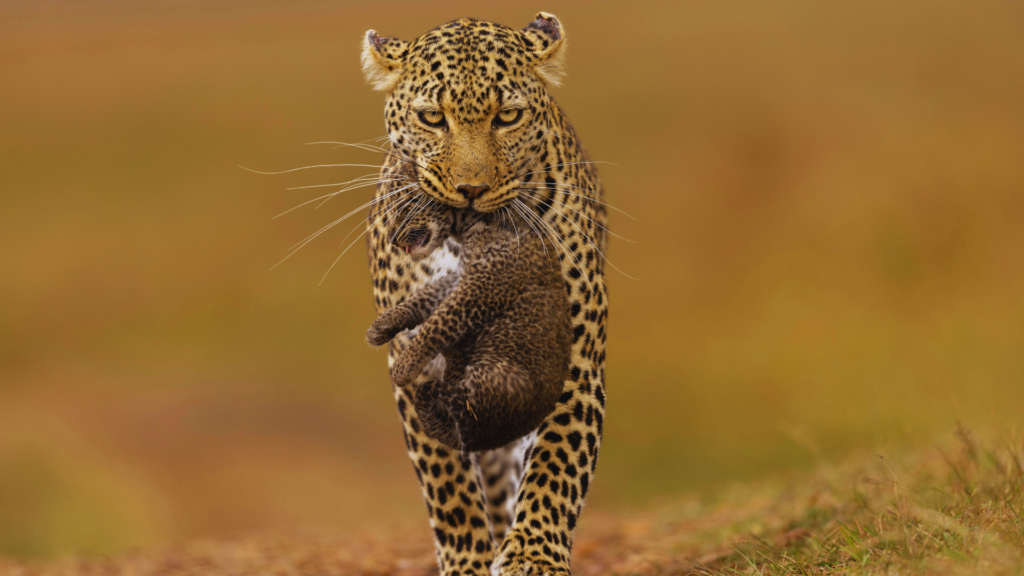
During the August peak, you might pay top dollar, but your actual time spent viewing relaxed, undisturbed predators is drastically reduced by crowding limits and park regulations. In November, the absence of crowds means you can sit with a leopard for three hours.
Here is our proprietary breakdown comparing a luxury Mara Conservancy experience in August versus November.
August Peak vs. November Shoulder: The Mathematical Reality
| Metric | August (Peak Season) | November (Shoulder Season) | The ROI Impact |
| Average Luxury Rate | $1,200 – $1,800 / night | $650 – $900 / night | Save 40-50% on identical accommodation. |
| Vehicle Density | High (Often 10+ at a sighting) | Very Low (1-3 vehicles max) | Undisturbed wildlife behavior; no fighting for angles. |
| Sighting Duration | 10–15 mins (Ranger enforced) | 1–3 Hours (Unrestricted) | 10x higher engagement time with apex predators. |
| Photographic Light | Hazy, flat, heavy dust | Clear skies, dramatic clouds | Portfolio-grade imagery without atmospheric distortion. |
| Est. Cost-Per-Hour of Quality Viewing | $250+ | $65 | The ultimate proof of shoulder season value. |
Tactical Advantages of a November Safari
Beyond the math, the November ecology offers distinct advantages that are entirely absent during the dry, dusty peak months.
1. The Predator “Birthing Boom”
While the Great Migration gets the headlines, the shoulder season triggers the localized birthing season for antelopes, impalas, and warthogs. The influx of fresh water turns the plains green, providing nutrient-rich grass for nursing mothers.
- The Result: This massive influx of vulnerable prey creates a feeding frenzy for big cats. If you want to witness active predator hunting and cub interactions, November offers significantly higher strike rates than the exhausted, dry months of late September.
2. The Migratory Bird Explosion
If you have even a passing interest in ornithology, the shoulder season is non-negotiable. Hundreds of migratory bird species arrive from Europe and North Africa, transforming the Rift Valley lakes and the Masai Mara into an avian kaleidoscope. The breeding plumage is at its absolute peak.
3. Upgraded Exclusivity
Camps operate at roughly 40% capacity in November. This translates to hyper-personalized service.
- You are far more likely to secure a private vehicle upgrade without the exorbitant daily supplement.
- Guides are relaxed, untethered from the stressful radio chatter of peak season traffic control. They have the time to track, educate, and explore off the beaten path.
Where to Route Your November Itinerary
Not all regions handle the short rains equally. To maximize your shoulder season Kenya safari packages, we deploy a highly specific routing strategy.
- Laikipia Plateau: The rocky, well-draining soil of Laikipia makes it essentially mud-proof. This is the prime window for tracking wild dogs and black rhinos at properties like Lewa or Borana, without the peak-season premiums.
- The Mara Conservancies (Mara North, Naboisho): Avoid the main National Reserve, where the black cotton soil turns to glue. Stick to the private conservancies bordering the Mara. The camps here maintain excellent all-weather tracks and offer the exclusive off-roading necessary to track predators sheltering from the afternoon showers.
- Samburu National Reserve: The arid north transforms radically in November. The Ewaso Ng’iro river flows again, drawing vast herds of elephants. The contrasting red earth and sudden green shoots create a surreal, visually stunning backdrop.
Frequently Asked Questions
Will the short rains ruin my daily game drives?
No. Safari schedules naturally align with the weather. Game drives occur from 6:00 AM to 10:00 AM and 4:00 PM to 7:00 PM. The rains almost exclusively hit during the midday heat when you are already back at the lodge enjoying lunch or a siesta.
Will I miss the Great Migration if I travel in November?
You will miss the Mara River crossings. By November, the mega-herds have usually crossed back into Tanzania’s Serengeti to chase the rains south. However, the Mara is home to massive “resident” populations of wildlife. The lions, leopards, cheetahs, and elephants do not migrate.
Are all luxury camps open in November?
Yes. Unlike the heavy “long rains” in April and May when many camps close for maintenance, almost all premium lodges remain fully operational through the November shoulder season.
Is malaria a higher risk during the shoulder season?
Mosquito activity does increase slightly with the rains. However, luxury camps are meticulous about vector control, utilizing high-end netting, regular spraying, and providing strong repellents. We always recommend consulting your travel physician regarding standard antimalarial prophylaxis, regardless of the season.