What to Expect on Kenya Safaris & Tours: A Beginner’s Guide

The Ultimate Guide to Planning Your First African Safari in Kenya
March 16, 2026
10 Essential Tips for Surviving Your First Safari in Kenya Africa
March 22, 2026
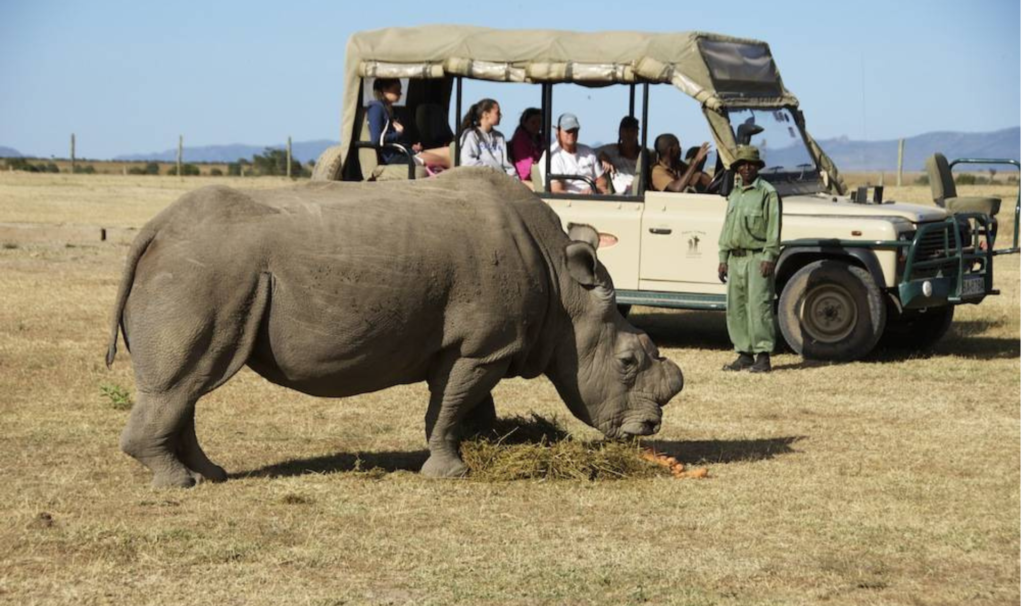
Kenya Safaris & Tours offer an unparalleled wildlife experience, featuring daily game drives across vast savannas to witness the iconic Big Five and the breathtaking Great Wildebeest Migration. Beginners can expect a blend of thrilling off-road adventures, immersive cultural encounters with Maasai communities, and a range of accommodations from rugged tented camps to luxury lodges.
Going on an African safari in Kenya is a bucket-list dream for many, but the logistics can feel overwhelming for first-timers. From navigating park fees to choosing between the Maasai Mara and Amboseli, proper preparation is essential. This guide breaks down exactly what you need to know before booking your adventure.
Strategist’s Field Note: A First-Timer’s Maasai Mara Experience
During a recent 7-day client expedition in the Maasai Mara, I observed firsthand the critical difference a seasoned local guide makes. Our driver expertly navigated away from the clustered tourist vans near the Talek River, repositioning us near a secluded acacia grove. Within minutes, we had a private, uninterrupted view of a leopard descending with her cub—a reminder that a successful safari in Kenya Africa relies heavily on expert timing and local terrain knowledge.
Planning Your African Safari in Kenya: Key Things to Know
Understanding the rhythm of the savanna is essential for setting the right expectations. Early mornings are non-negotiable, as predator activity peaks before the equatorial sun gets too hot. Most Kenya safari packages include two daily game drives: one at dawn and another in the late afternoon.
Here is what a typical day looks like:
- Daily Routine: Expect a 5:30 AM wake-up call, followed by a quick coffee and a 3-4 hour morning game drive.
- Terrain & Travel: Roads can be extremely rugged and dusty, an experience often referred to locally as the “African massage.”
- Clothing: Strategic layering is vital, as early mornings are surprisingly chilly while midday equatorial temperatures soar.
When is the Best Time to Go on a Safari in Kenya Africa?
The optimal window for wildlife viewing depends heavily on your specific travel goals. For witnessing the famous river crossings of the Great Migration, July through October is the undisputed peak season.
However, the dry season from January to March offers fantastic, crowd-free game viewing as animals congregate around shrinking, permanent water sources.
Conservation efforts in the region are currently yielding excellent results for wildlife enthusiasts. According to recent Kenya Wildlife Service (KWS) census data, key species are thriving, with the national elephant population increasing by nearly 6,000 individuals since 2021. To sustain these efforts, KWS recently updated non-resident park entry fees for premium parks like Amboseli and Lake Nakuru to $90 per day, ensuring tourism directly funds wildlife protection.
Comparing Kenya Safari Packages: Lodge vs. Tented Camp
Choosing where you sleep dramatically alters your overall savanna experience. Safari packages generally offer a choice between traditional brick-and-mortar lodges and immersive, canvas-walled tented camps. Both provide excellent hospitality, but they cater to very different comfort levels and budgets.
| Feature | Luxury Safari Lodge | Traditional Tented Camp |
| Atmosphere | Resort-like, enclosed, often features swimming pools. | Authentic, close to nature, hear wildlife at night. |
| Amenities | Air conditioning, Wi-Fi, formal dining rooms. | Solar power, bucket showers (mobile camps), fire pits. |
| Price Point | Generally higher, especially in peak season. | Varies widely from budget to ultra-luxury “glamping.” |
| Best For | Families with young children, travelers needing high comfort. | Couples, photographers, and adventure seekers. |
Frequently Asked Questions (FAQ)
What are the Big Five animals you can see on a Kenya safari?
The “Big Five” refers to the lion, leopard, elephant, African buffalo, and rhinoceros. Kenya’s major national parks and reserves, particularly the Maasai Mara and Lewa Conservancy, offer excellent, year-round opportunities to spot all five species in their natural habitat.
How many days do you need for a good Kenya safari package?
A typical first-time safari should last between 5 to 7 days. This duration allows enough time to visit at least two contrasting ecosystems, such as the open plains of the Maasai Mara and the elephant-rich wetlands of Amboseli, without experiencing “safari fatigue.”
Are African safaris in Kenya safe for beginners?
Yes, Kenya safaris are highly safe when booked through reputable, registered tour operators. Visitors are accompanied by highly trained, certified guides and must adhere strictly to park rules, such as remaining inside the vehicle during game drives and not walking unescorted at night.