Top Wildlife Experiences During Masai Mara Safari Kenya

Safaris in Kenya Africa: A Guide to the Best Destinations in 2026
January 29, 2026
Kenya Safaris & Tours: Complete Travel Guide for First-Time Visitors
February 2, 2026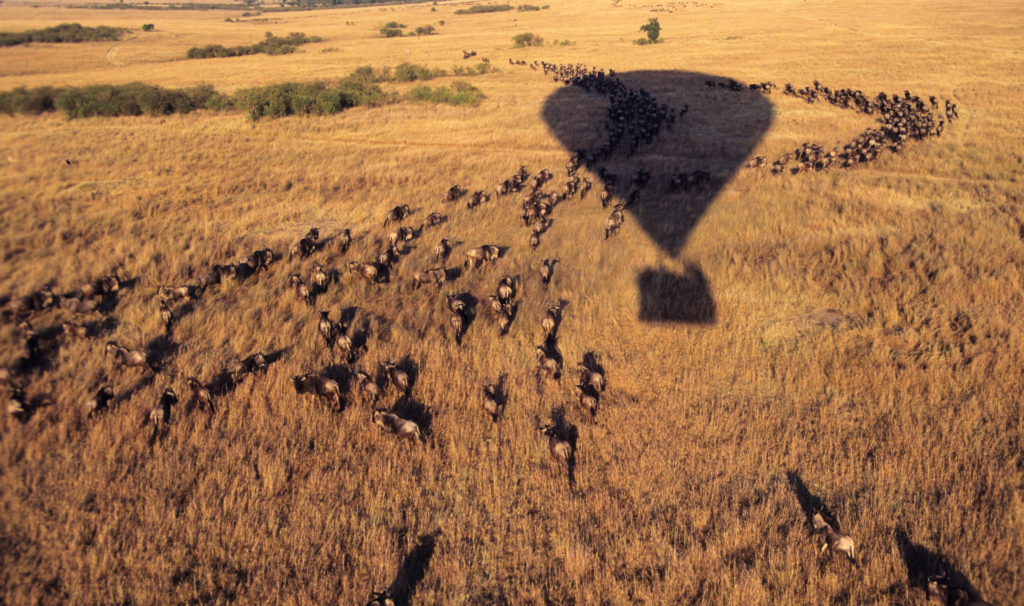
In 2026, the Maasai Mara remains the undisputed heartbeat of the African wilderness. For those planning a Masai Mara Safari Kenya, the experience has evolved. It’s no longer just about sitting in a vehicle and pointing at a lion; it’s about the “raw pulse” of the savannah—the smell of the rain on the dust, the guttural grunt of a hippo at midnight, and the high-stakes chess match between predator and prey.
As an expert with 15 years in the field, I’ve seen the Mara change. Today, the most sought-after experiences are those that offer depth over distance. This guide explores the pinnacle wildlife encounters you should seek out to make your journey truly transformative.
1. The “Big Cat” Chess Match: More Than Just a Sighting
While the “Big Five” is the standard checklist, a Masai Mara Safari Kenya is defined by its cats. The Mara is home to some of the world’s most studied lion prides and elusive leopards.
The Dawn Patrol with Lions
Lions are social, but they are also strategic. In 2026, we will focus on “behavioral tracking.” Instead of just finding a sleeping pride, your guide will look for the “Dawn Patrol”—usually the pride males marking their territory at first light.
- The Experience: Watching a 500-pound male lion let out a roar that vibrates through the floor of your 4×4 is a physical sensation you never forget.
The Cheetah’s Sprint
The Mara’s open plains are the world’s best theater for cheetahs. Unlike lions, they hunt by day.
- Expert Tip: Look for cheetahs perched on termite mounds or fallen acacia trees. They use these as vantage points to scan for Thompson’s Gazelles. Witnessing a 0-to-60 mph hunt is the holy grail of safari photography.
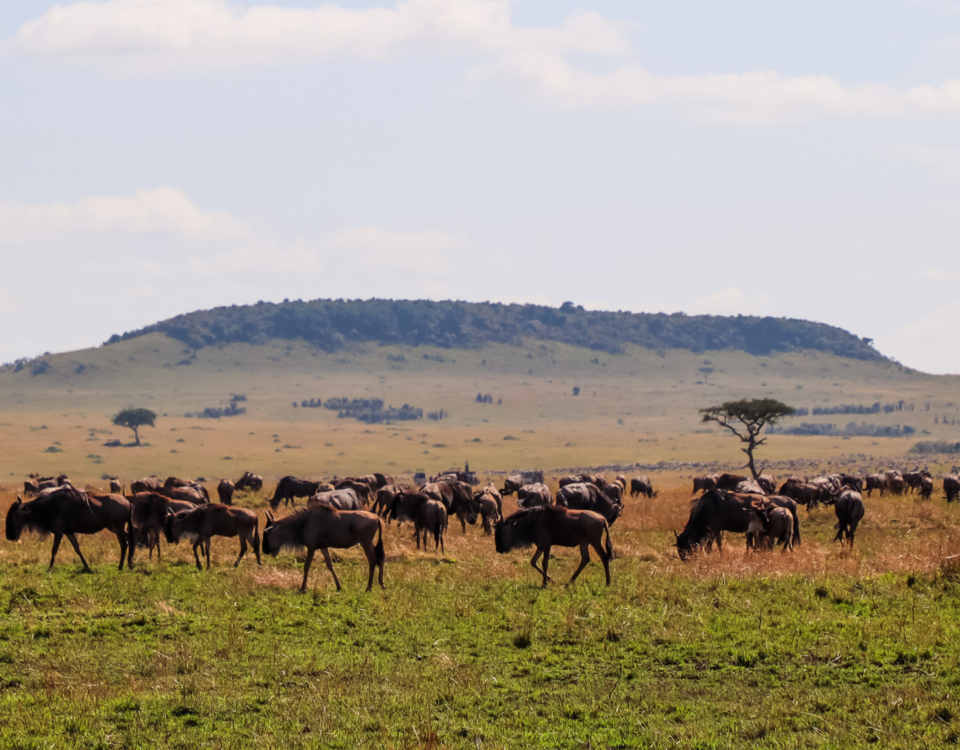
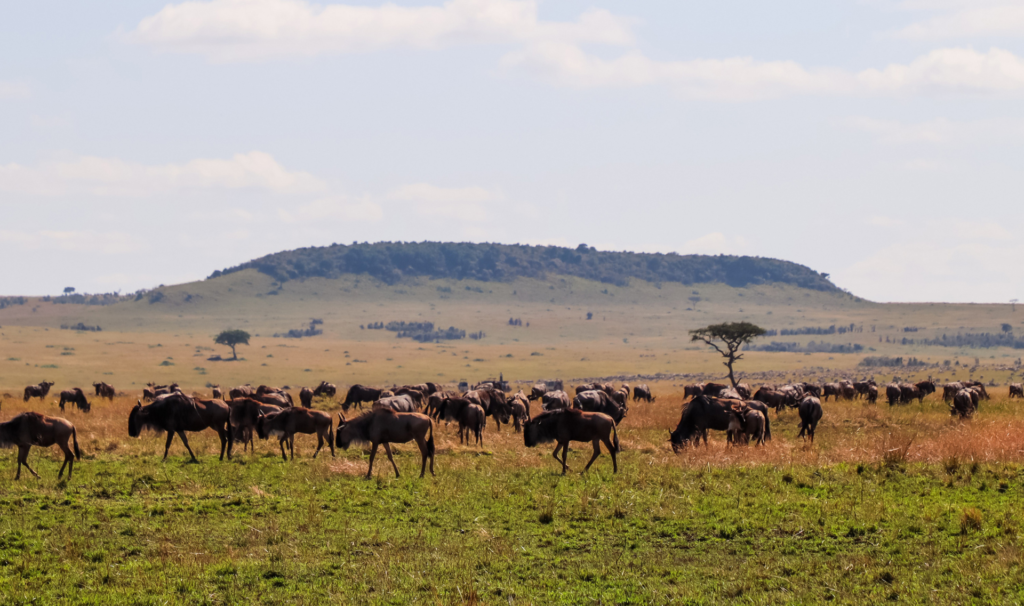
- The Great Migration: The Mara River Crossings: If you are visiting between July and October, the Great Migration is the headline act. While the herds are massive, the “experience” is found at the riverbanks.
Watching thousands of wildebeest hesitate at the water’s edge, knowing the Nile crocodiles are waiting, creates a tension you can feel in the air.
- The 2026 Perspective: We now prioritize “quiet river points.” While the main crossings can get busy, experienced guides from Kenya Safari Tours know the smaller, more intimate crossing points where you can hear the splash and the chaos without a dozen other vehicles in your ear.
3. The “Big Five” Plus: The Resident Giants
Beyond the cats, the Mara hosts a permanent cast of giants that are iconic to any Masai Mara Safari Kenya.
- Elephants of the Mara Triangle: The Triangle is famous for its large, stable elephant families. Watching a matriarch lead her herd through a marshy stream is a lesson in leadership and gentleness.
- The Rare Black Rhino: Sightings are rare, but for those with patience, the thickets of the Mara hide a few remaining Black Rhinos. Tracking these prehistoric-looking creatures requires a keen eye and an expert guide.
- Cape Buffalo: Often underestimated, the “Black Death” is the most respected animal by guides. Seeing a herd of 500 moving as one unit is a display of raw power.
4. Aerial Perspective: The Balloon Safari
There is one way to truly grasp the scale of the Mara: from 500 feet up.
A hot air balloon safari at dawn allows you to see the “veins of the land”—the seasonal rivers and game trails that animals have used for centuries.
- The Highlight: Floating silently over a herd of giraffes loping across the plains, followed by a champagne breakfast in the middle of the bush, is the ultimate way to crown your trip.
5. Night Game Drives: The Secret World
In the main National Reserve, game drives end at 6:00 PM. However, if you book your stay in a Private Conservancy (like Mara North or Naboisho), the world changes after dark.
- What You’ll See: This is when the leopards come down from the trees. You’ll see the glowing eyes of hyenas on the prowl, the rare serval cat, and the frantic activity of nocturnal “little guys” like springhares and aardvarks.
Editorial Policy & Research Standards
At Kenya Safaris Tours, our content is built on “First-Hand Authenticity.”
- Field-Verified: Every wildlife experience mentioned is based on current 2026 animal movements and park regulations.
- Ethics First: we strictly follow the Mara Code of Conduct—no crowding of animals, no off-roading in restricted zones, and a commitment to keeping the wild wild.
- Community Connection: We prioritize experiences that involve Maasai guides. Their ancestral knowledge of animal behavior is a resource no AI or textbook can replicate.
Frequently Asked Questions
1. What is the best time for wildlife sightings in the Masai Mara?
For the Migration, July to October. For resident big cats and clear photography with fewer crowds, January to March (the short dry season) is spectacular.
2. Can I see the “Big Five” in a single day?
In the Mara, it is possible but not guaranteed. Lions, elephants, and buffalo are common; leopards and rhinos require more luck and a very skilled tracker.
3. Are private conservancies better than the National Reserve?
For “experiences,” yes. Conservancies allow night drives, off-roading for better sightings, and walking safaris. The National Reserve is better for seeing the specific Mara River crossings.
4. Is the Masai Mara safe for children?
Yes, most luxury camps have “Junior Ranger” programs. However, we recommend children be at least 6 years old to handle the 4-6 hour game drives comfortably.
5. What should I pack for a wildlife photography safari?
A lens with at least 400mm reach is essential. Also, bring a “bean bag” or window mount for stability, as tripods are difficult to use inside the vehicles.
Plan Your Iconic Adventure
The Masai Mara is a place that stays with you long after the red dust has been washed from your clothes. It’s a return to something primal, beautiful, and profoundly moving.
Contact Kenya Safari Tours:
- Website: KenyaSafariTours.com
- Email: info@kenyasafaristours.com
- WhatsApp/Call: +256414532162 / +256773912891
- Location:Kajjansi Bweya, Along Kajjansi Bweya Lutembe Rd, Near West Minister Theological College.