

Kenya Safaris & Tours: Complete Travel Guide for First-Time Visitors

Top Wildlife Experiences During Masai Mara Safari Kenya
January 31, 2026
Kenya Safari Tours Explained: Packages, Itineraries & Prices
February 4, 2026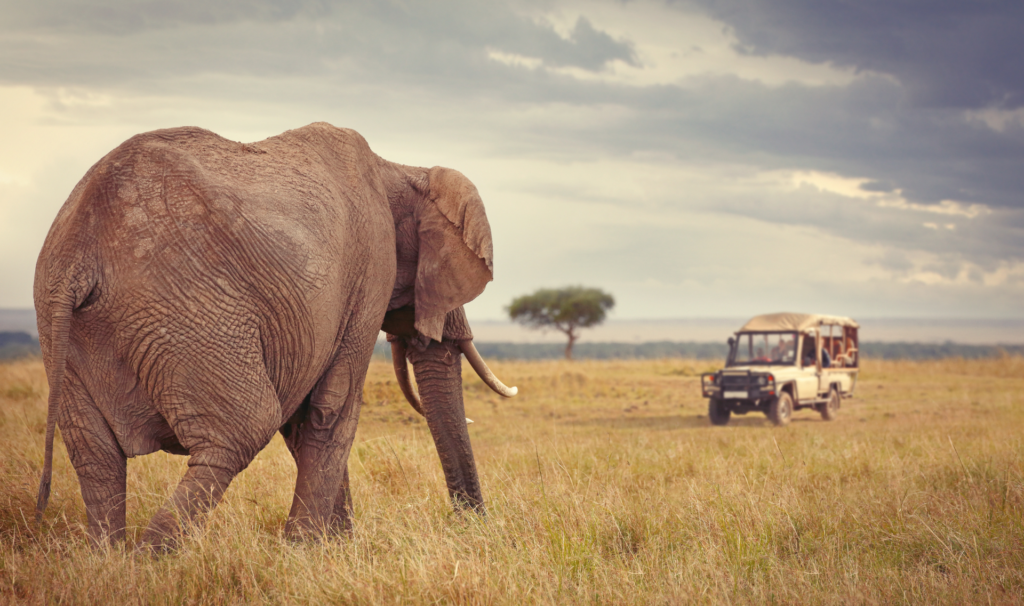
If you have ever closed your eyes and imagined “Africa,” you were likely picturing Kenya. I have spent the last 15 years navigating the dusty trails of the Rift Valley and sitting around campfires in the Masai Mara, and I can tell you: there is a specific magic here that simply doesn’t exist anywhere else. For a first-timer, the prospect of planning Kenya Safaris & Tours can feel like trying to map the stars—vast, beautiful, but slightly overwhelming.
In 2026, Kenya will be transformed. The classic “Big Five” experience now blends seamlessly with high-tech conservation and a new, streamlined entry system. Whether you’re here for the thundering hooves of the Great Migration or the silent elegance of a Samburu sunset, this guide is your expert-vetted blueprint for a first-time journey that feels less like a tourist trip and more like a homecoming.
1. Why 2026 is the Year for Kenya Safaris & Tours
The safari world has changed. In 2026, Kenya has moved away from traditional visas to the Electronic Travel Authorization (eTA) system. This digital-first approach means less paperwork at the airport and more time in the bush.
Furthermore, Kenya is leading the charge in “Silent Safaris.” Many of the premium camps we partner with have introduced electric 4×4 vehicles. Imagine approaching a pride of lions without the rumble of a diesel engine—the only sound you’ll hear is the wind in the grass and the steady breath of the predators. It’s an intimacy that was impossible a decade ago.
2. Top Destinations for Your First Itinerary
When planning Kenya Safaris & Tours, first-timers often make the mistake of trying to see the whole country in one week. Kenya is nearly the size of France; less is truly more.
The Masai Mara: The Living Stage
You cannot come to Kenya and skip the Mara. It is the most wildlife-dense region on the planet.
- Expert Tip: Don’t just stay in the National Reserve. The Mara North and Olare Motorogi Conservancies offer a more private experience with the same animals but strictly limited vehicle counts.
Amboseli: In the Shadow of Kilimanjaro
Amboseli is famous for two things: massive “Big Tusker” elephants and the best views of Mount Kilimanjaro. It’s a photographer’s paradise and the best place to understand the sheer scale of African wildlife.
Ol Pejeta: The Conservation Frontier
If you want to see a rhino, this is the place. It is home to the world’s last two Northern White Rhinos and serves as a sanctuary for rescued chimpanzees. It’s the perfect stop for families and those interested in the “behind-the-scenes” of wildlife protection.
3. Understanding the 2026 eTA and Logistics
For a first-time visitor, the “boring” stuff is the most important. As of 2026, every visitor (including infants) must have an approved Kenya eTA before boarding their flight.
- Apply Early: Use the official portal (etakenya.go.ke). We recommend applying at least 2 weeks in advance.
- Cost: The fee is approximately $30.
- Flying vs. Driving: While driving gives you a sense of the culture, “Fly-in Safaris” are the gold standard for 2026. Domestic carriers like Safarilink and Airkenya fly directly from Nairobi into bush airstrips, turning an 8-hour bumpy road trip into a 45-minute scenic flight.
4. What Does a 2026 Safari Cost?
Budgeting for Kenya Safaris & Tours requires understanding that you get what you pay for. In 2026, park fees will increase to support conservation, particularly in the Masai Mara.
| Safari Style | Price (Per Person/Day) | Experience Level |
| Budget/Adventure | $250 – $350 | Mid-range hotels, shared vehicles |
| Mid-Range | $450 – $700 | Tented camps, private 4×4, expert guides |
| Luxury/Bespoke | $1,000 – $2,500+ | Fly-in, private butlers, exclusive conservancies |
5. Packing Like a Pro: 15 Years of Wisdom
I’ve seen travelers arrive with heavy suitcases full of bright white clothes—only for them to be stained red by the dust within hours.
- Layers are Key: The savannah is freezing at 5:30 AM and scorching by noon.
- Muted Tones: Stick to khaki, olive, and tan. Avoid blue and black (they attract Tsetse flies) and bright whites (which spook the animals).
- The “No Plastic” Rule: Kenya is extremely strict about single-use plastics. No plastic bags, no plastic water bottles. Bring a high-quality reusable bottle.
Editorial Policy & Research Integrity
Our content at Kenya Safaris Tours is produced by specialists who live and work in East Africa.
- First-Hand Audits: Every lodge and route mentioned in our Kenya Safaris & Tours guides has been personally visited by our team within the last 12 months.
- Regulatory Compliance: We cross-check all entry requirements with the Kenya Directorate of Immigration Services and the Kenya Wildlife Service (KWS).
- Human-Led Insight: We do not use generic data. Our advice on “Best Times to Visit” is based on rainfall patterns and migration movements recorded by our guides in the field.
FAQ:
1.Is the Great Migration only in July and August?
No. While the dramatic river crossings usually happen from late July to September, the herds often stay in the Masai Mara until October or early November before heading back south. 2026 weather patterns suggest that September is currently the “sweet spot” for peak action with slightly fewer crowds than August.
2.Can I visit Kenya safely in 2026?
Absolutely. Kenya remains one of the safest and most established tourism destinations in Africa. However, like any travel, we recommend staying updated via the official eTA portal and using reputable tour operators who provide 24/7 ground support.
3.What is the difference between an eTA and a Visa?
In 2026, the traditional visa is gone. The eTA (Electronic Travel Authorization) is a pre-screening process that is faster and more digital. You cannot get this “on arrival” at the airport; it must be done online before you fly.
4.How do I prevent Malaria on a Kenya safari?
Most safari areas are in malaria zones. We advise seeing a travel clinic 4–6 weeks before departure. In 2026, most travelers will use Malarone or Doxycycline. Additionally, always wear long sleeves in the evenings and use the insect repellent provided by your lodge.
5.Is a Kenya safari suitable for children?
Yes, but with a caveat. Many luxury camps have a minimum age (usually 6 or 8) for game drives. If traveling with younger children, look for “Family-Friendly” camps in the Laikipia or Amboseli regions which offer specialized “Junior Ranger” programs.
Start Your Journey with Kenya Safaris Tours
Planning your first trip should be as exciting as the safari itself. At Kenya Safaris Tours, we take the guesswork out of the logistics so you can focus on the lions. From the moment you land in Nairobi to your final sundowner in the Mara, we are with you every step of the way.
Kenya Safari Tours:
- Website: KenyaSafariTours.com
- Email: info@kenyasafaristours.com
- WhatsApp/Call: +256414532162 / +256773912891
- Location:Kajjansi Bweya, Along Kajjansi Bweya Lutembe Rd, Near West Minister Theological College.
