

Masai Mara Kenya Safari: Conservancies vs. National Reserve Yield

Advanced Masai Mara Safari Kenya Game Viewing Logistics: Navigating the Wild Without the Crowd
June 19, 2026
Kenya Safaris: Decoding the 6 Micro-Seasons of the Masai Mara
June 24, 2026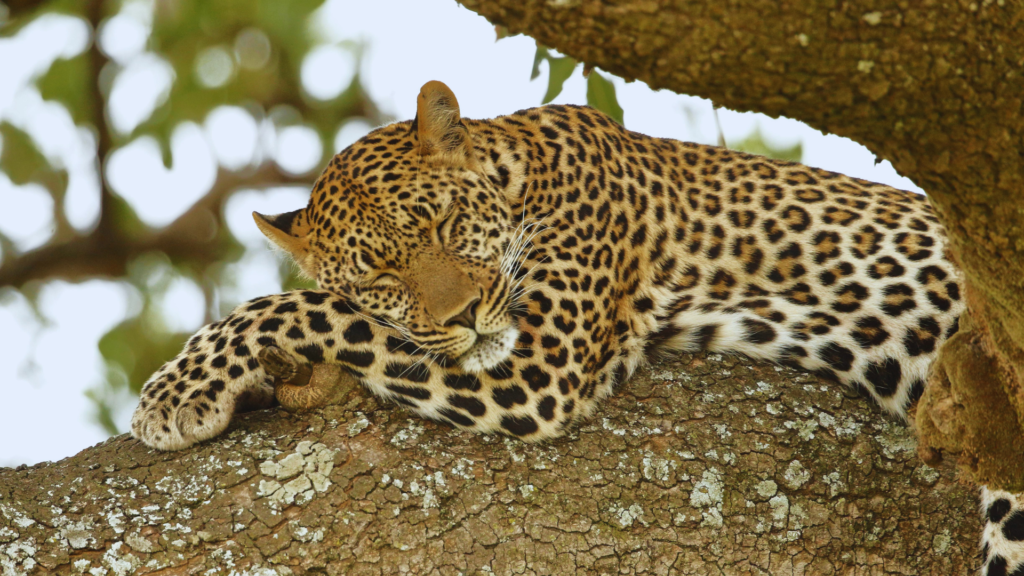
You’ve mounted your 400mm lens, checked your exposure, and readied yourself for the ultimate masai mara kenya safari. Then, the radio crackles. A leopard has been spotted. Your driver speeds over, only to join a blockade of twenty-two white minivans jockeying for position. The leopard, stressed by the diesel fumes, engine noise, and shouting tourists, drops from the acacia tree and vanishes into the thickets. Your highly anticipated sighting lasted exactly fourteen seconds.
This is the hidden tax of the public reserve during peak season. You pay less for entry, but you bleed value in lost opportunities.
The solution lies just beyond the public gates. If you are serious about optimizing your masai mara safari Kenya investment, you must analyze the stark difference in photographic yield between the government-run National Reserve and the surrounding Private Conservancies. Here is the contrarian truth most mass-market brochures ignore: higher upfront conservancy fees drastically lower your “cost-per-hour” of quality wildlife viewing.
The Sighting Duration Metric: A Contrarian Truth
Most travelers measure safari success by a checklist. Did we see a lion? Check. A cheetah? Check. However, professional guides and photographers measure success by duration and behavior. Seeing a cheetah sprint away from a swarm of vehicles is fundamentally different from watching that same cheetah nurse her cubs undisturbed for two hours.
In the Masai Mara National Reserve, the sheer volume of visitors creates an inverse relationship between predator presence and sighting duration. When a high-profile cat is spotted on the public roads, the “swarm effect” triggers almost immediately. Wildlife survival instincts kick in; the animals retreat.
Private conservancies (like Mara North, Olare Motorogi, and Naboisho) flip this dynamic entirely.
- The Five-Vehicle Rule: Conservancies strictly enforce a cap on how many cars can gather at a single sighting, usually a maximum of five.
- The Behavioral Shift: Because the predators do not feel encircled or trapped, they relax. They hunt, mate, and play in the open. The strict vehicle limits directly translate into exponential increases in sighting durations.
Photographic Yield: Off-Roading and Positioning
If a pride of lions walks behind a dense croton bush in the National Reserve, the show is over. You are legally required to stay on the marked tracks. You put your camera down and wait, hoping they emerge before sunset.
Conservancies operate under a different set of traversal rights. Because the land is privately leased by a limited number of elite camps, guides are granted strictly monitored off-road driving privileges.
When that lion pride moves off into the brush, your guide simply shifts the 4×4 into low gear and follows them. You can position the vehicle precisely where the light is best. You shoot with the sun at your back, capturing the golden rim-light on a male lion’s mane, rather than settling for a backlit silhouette from the main road. This level of tactical positioning turns snapshots into portfolio-grade imagery.
Cost vs. Yield: Analyzing the Math
At first glance, nightly rates in private conservancies appear significantly steeper than lodges located just outside the public reserve gates. But when you break down the access variables, the return on investment heavily favors the conservancy model.
| Feature | Masai Mara National Reserve | Private Mara Conservancies |
| Vehicle Density | Unlimited (Prone to extreme crowding) | Strictly capped (Usually 1 tent per 700 acres) |
| Off-Road Driving | Strictly Prohibited | Permitted (Essential for predator tracking) |
| Night Drives | Prohibited (Must exit by 18:30) | Permitted (Access to nocturnal hunts) |
| Walking Safaris | Highly restricted | Standard offering |
| Average Predator Sighting | 5 – 15 Minutes | 45 Minutes – 3 Hours |
The Conservancy Exclusives: Night Drives and Walking
A staggering 70% of predator hunting action occurs after dark. In the public reserve, you must be back at your lodge by dusk, entirely missing the apex of the food chain’s activity.
Conservancies allow equipped vehicles to stay out with red-filtered spotlights. You aren’t just looking at sleeping lions; you are tracking hunting leopards and observing the elusive aardvark or bat-eared fox. Furthermore, conservancies offer guided walking safaris accompanied by armed Maasai scouts, allowing you to examine tracks, identify scat, and understand the micro-ecosystems that a roaring Land Cruiser simply blasts past.
Strategic Integration for Your Safari Itinerary
You do not have to choose one over the other exclusively. The smartest logistical play for a comprehensive masai mara kenya safari is a blended itinerary.
If your goal is to witness the Great Migration river crossings, you must enter the National Reserve, as the Mara River cuts directly through it. We engineer itineraries that place you in an exclusive private conservancy for 75% of your trip, securing your high-yield predator photography, night drives, and walking safaris, while reserving one or two targeted full-day drives into the National Reserve specifically to intercept a river crossing.
You leverage the conservancy for uncrowded intimacy, and utilize the reserve for the sheer, chaotic scale of the migration.
Frequently Asked Questions
Are the private conservancies fenced off from the National Reserve?
No. The entire Masai Mara is a seamless, unfenced ecosystem. Wildlife, including the Great Migration, flows freely between the National Reserve and the surrounding private conservancies.
Can I stay in the National Reserve and just drive into a conservancy for the day?
No. This is the “one-way door” of Mara logistics. Conservancy guests can drive into the National Reserve (paying the daily park fee), but National Reserve guests are strictly barred from entering the private conservancies.
Is the extra cost of a conservancy camp actually worth it for casual photographers?
Absolutely. Even if you are shooting with a smartphone, the value of sitting quietly with a herd of elephants without the distraction of a dozen other noisy vehicles completely transforms the emotional impact of your safari.
Which conservancy is best for big cat sightings?
While all offer excellent wildlife, Olare Motorogi Conservancy and Mara North Conservancy consistently record some of the highest lion and leopard densities in East Africa, largely due to their exceptionally low vehicle-to-acre ratios.
