The Ultimate Guide to Planning Your First African Safari in Kenya

UWA REVISED & NEW TARIFFS PLUS UGANDA HIGH SEASON AND LOW SEASON DISCOUNTED GORILLA PERMIT PRICES (2026–2027 TRAVELER UPDATE)
March 13, 2026
What to Expect on Kenya Safaris & Tours: A Beginner’s Guide
March 18, 2026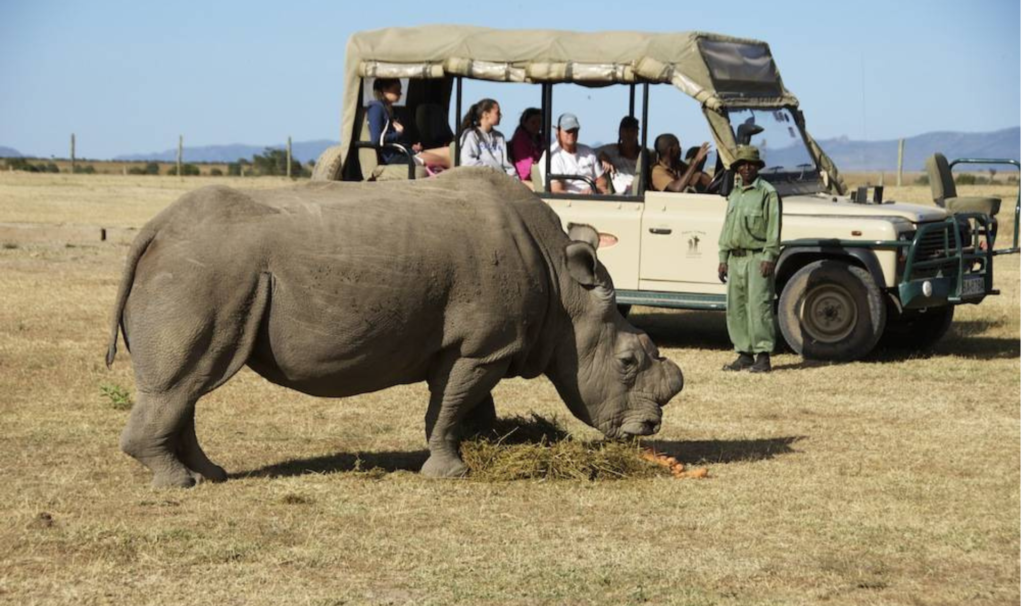
Planning an African Safari in Kenya requires timing your visit to align with peak wildlife movements like the Great Migration, selecting a strategic mix of national reserves like the Masai Mara, and booking boutique accommodations well in advance. A well-crafted itinerary balances thrilling game drives with comfortable downtime to ensure a safe, sustainable, and unforgettable wildlife experience.
Over the last 15 years designing and leading Kenya safaris & tours, I’ve learned that the secret to a perfect trip isn’t just about spotting lions. It’s about pacing, location, and leaning on the expertise of local guides. Let’s dive into how to build a high-impact, low-stress itinerary.
Real-World Experience: The “Slow Safari” Advantage
Let me share a quick example from a recent season. Last August, I organized a Masai Mara Kenya safari for a family who wanted to see “everything” in just four days, requesting flights between three different parks.
I advised them against this exhausting park-hopping approach. Instead, we based them at a single, strategically located eco-camp in the Mara Triangle for the entire duration. By staying put, they avoided the fatigue of daily packing and flights, built a rapport with their guide, and ultimately caught a spectacular river crossing that they would have otherwise missed while in transit.
What to Expect on an African Safari in Kenya
Your daily routine will naturally synchronize with the wildlife. Expect early morning wake-up calls, usually before sunrise, as this is when predators are most active and lighting is best for photography.
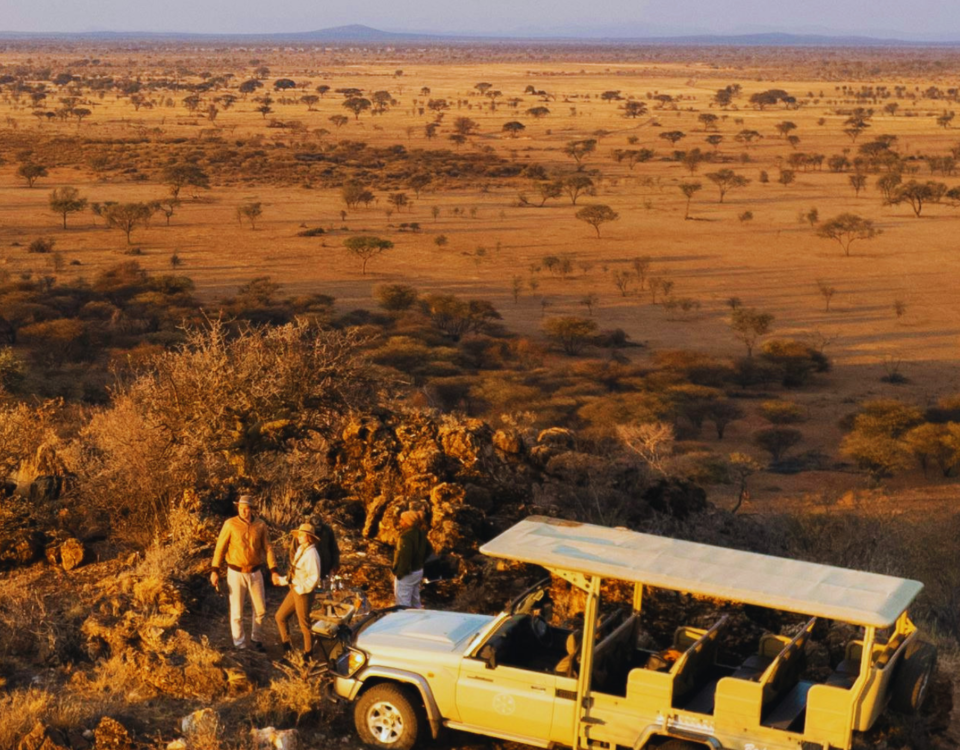
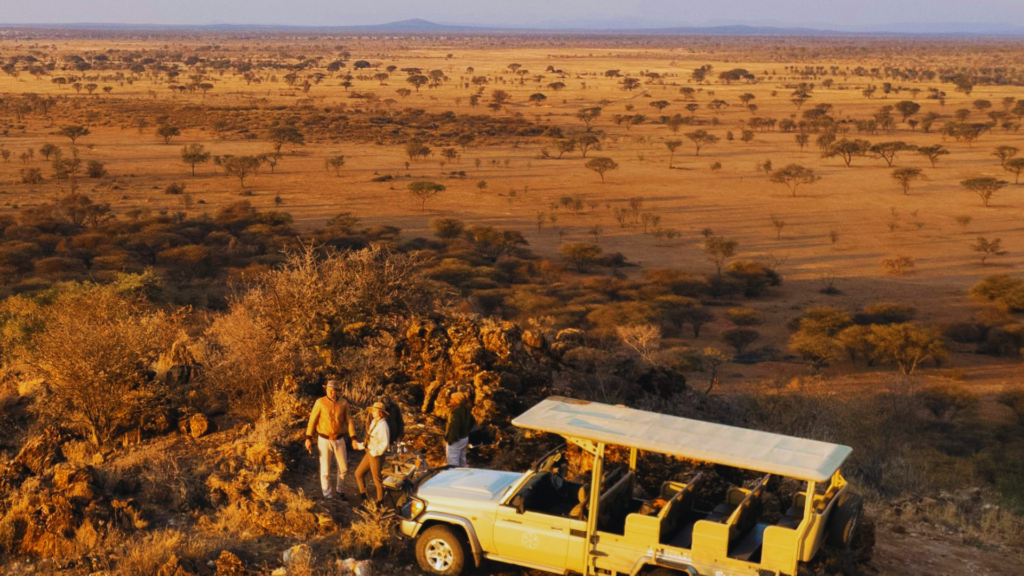
You’ll head out in a 4×4 vehicle with a local guide, returning to camp a few hours later for a hearty breakfast. The midday heat is reserved for resting, reading, or enjoying the camp pool.
Late afternoon brings a second game drive as the bush cools down and animals emerge again. These evening drives often conclude with a classic “sundowner”—a drink enjoyed out in the bush while watching the African sun set.
Top Destinations for Kenya Safari Tours
Kenya boasts incredible biodiversity and landscapes. However, a few key parks consistently stand out for first-time visitors.
Why Choose a Masai Mara Kenya Safari?
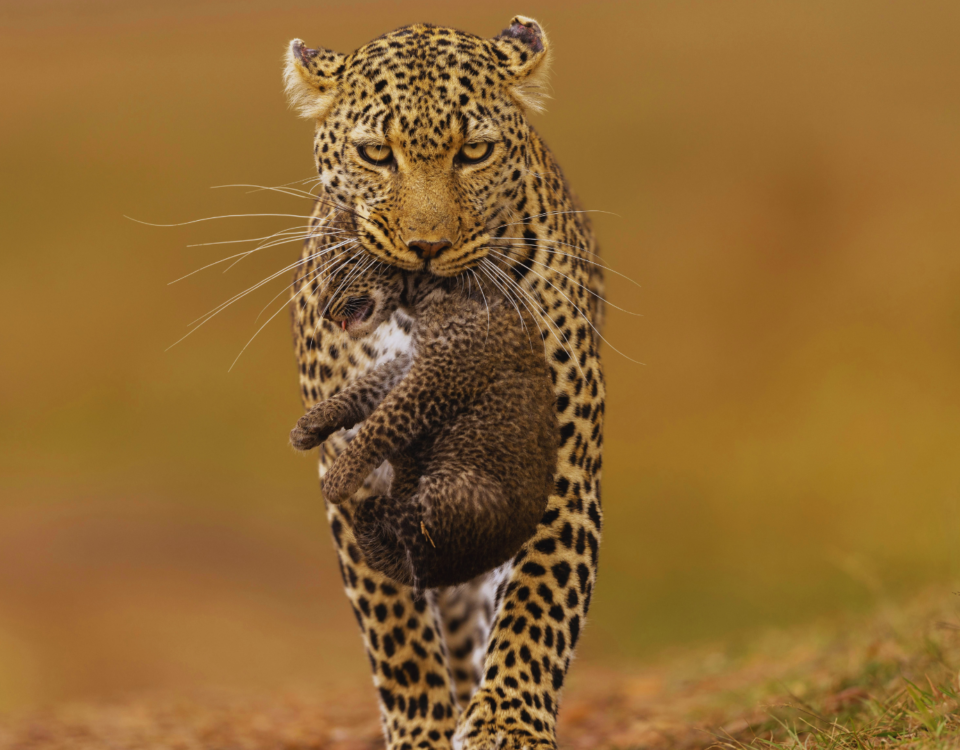
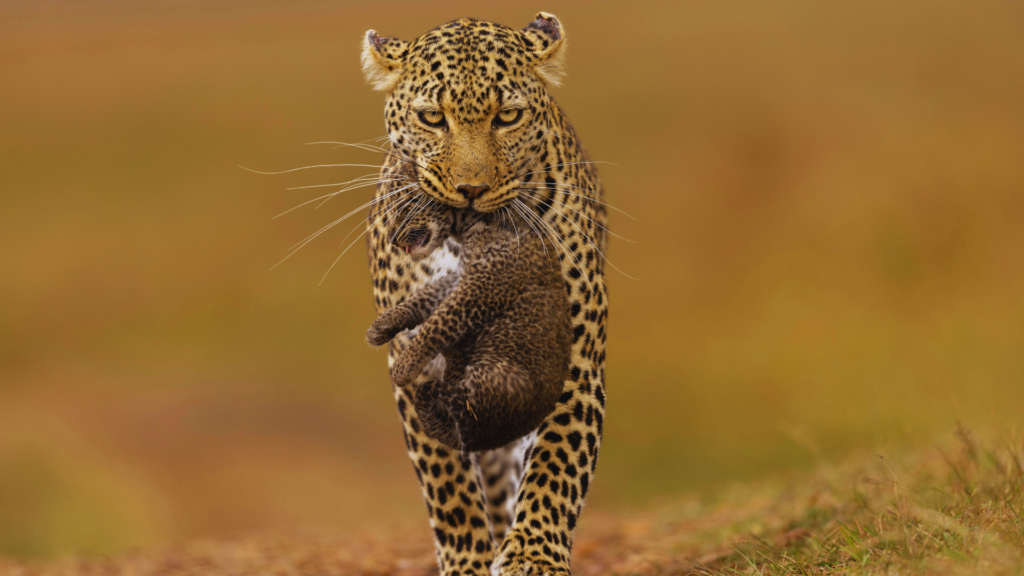
The Masai Mara is the undisputed crown jewel of Kenya’s wildlife reserves. It is globally renowned for its exceptionally high density of big cats, particularly lions, leopards, and cheetahs.
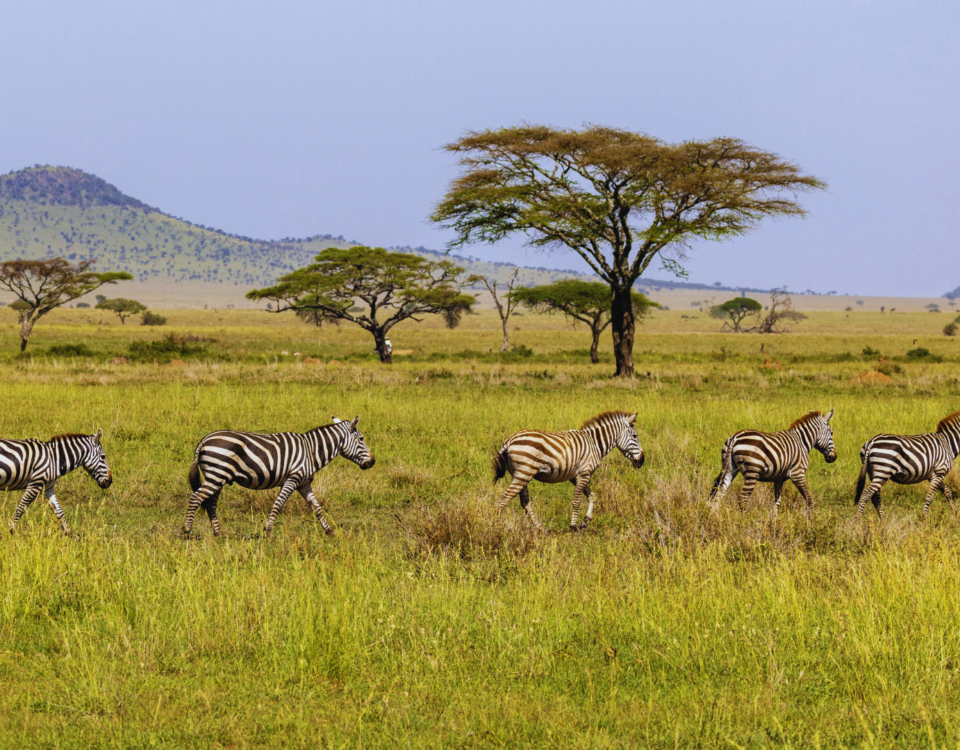
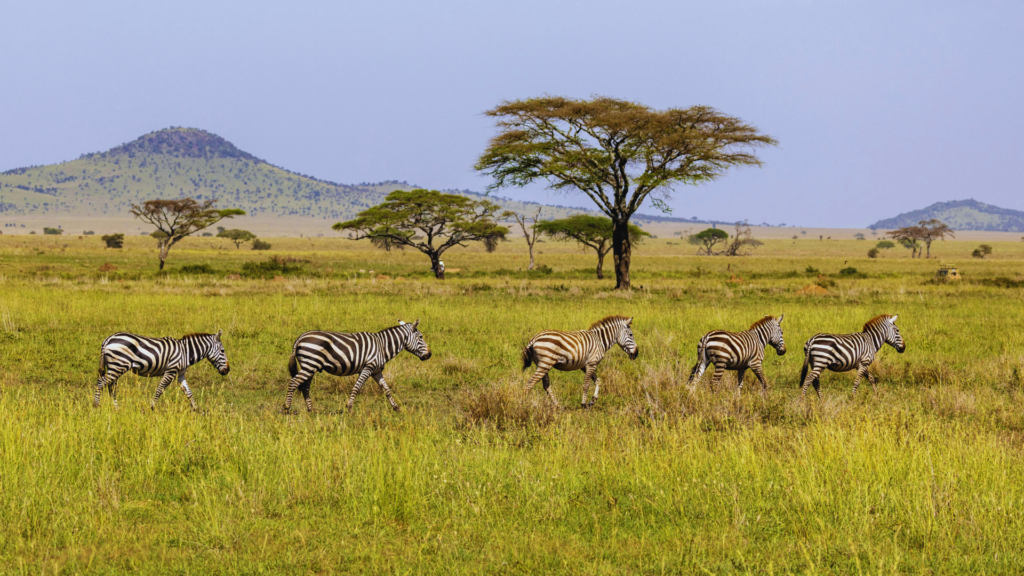
According to the World Wildlife Fund (WWF), the Mara ecosystem plays host to the Great Migration, where over 1.5 million wildebeest and zebras traverse the plains from July to October. This staggering biological spectacle is the primary reason the Mara is a non-negotiable stop for almost all travelers.
Amboseli National Park: The Land of Giants
Amboseli is famous for its massive, free-ranging elephant herds. It offers the iconic, postcard-perfect backdrop of Mount Kilimanjaro, Africa’s highest peak. The terrain here is vastly different from the Mara, providing unparalleled photographic opportunities and habitat diversity.
Step-by-Step: Planning Your Kenya Safaris & Tours
Follow these proven steps to build a seamless and logically routed trip:
- Determine Your Travel Window: Decide if you are prioritizing the dramatic river crossings of the Great Migration (July–October) or the lush, crowd-free landscapes of the Green Season (April–May).
- Identify Your Travel Style: Are you traveling for intensive wildlife photography, multi-generational family bonding, or a secluded luxury honeymoon?
- Book Internal Logistics Early: Secure international flights to Nairobi (NBO) and book your internal “bush flights” early, as domestic light aircraft capacities are very small.
- Consult a Travel Clinic: Visit a health professional well in advance for recommended vaccinations (like Yellow Fever) and to secure malaria prophylactics.
Accommodation: Safari Lodge vs. Tented Camp
Choosing where to stay dramatically shifts the tone of your african safari kenya experience. Here is a breakdown to help you decide:
| Feature | Traditional Safari Lodge | Luxury Tented Camp |
| Structure | Permanent buildings (stone/wood), often larger. | Canvas tents on raised wooden platforms. |
| Atmosphere | Resort-like, highly structured, bustling. | Intimate, immersive, closer to nature. |
| Amenities | Air conditioning, large pools, multiple dining areas. | En-suite bathrooms, bucket showers, communal dining. |
| Best For | Families with young children, travelers needing modern comforts. | Couples, purists, travelers wanting an authentic bush feel. |
Frequently Asked Questions About African Safari Kenya
What is the best time of year to go on an African Safari in Kenya?
The optimal time is during the dry season from July to October. This period aligns with the Great Migration in the Masai Mara, offering incredible wildlife visibility as animals congregate around shrinking water sources.
How much does a Kenya safari tour typically cost?
For a high-quality, mid-range experience, expect to spend between $500 to $800 per person, per night. Luxury fly-in safaris can easily exceed $1,500 per person per night, which includes private guides, conservancy fees, and premium bush camps.
Is it safe to go on a safari in Kenya?
Yes, it is very safe when you book with reputable, licensed operators. Your guides are highly trained in animal behavior, and camps have strict security protocols—including night guards—to keep you safe from wildlife.