Luxury African Safari Tanzania Photography Tours: Capturing the Wild in Style

Fly-In Tanzania Safari Tours: Are They Worth It?
February 10, 2026
Private Luxury African Safari Tanzania Experiences: Beyond the Ordinary
February 14, 2026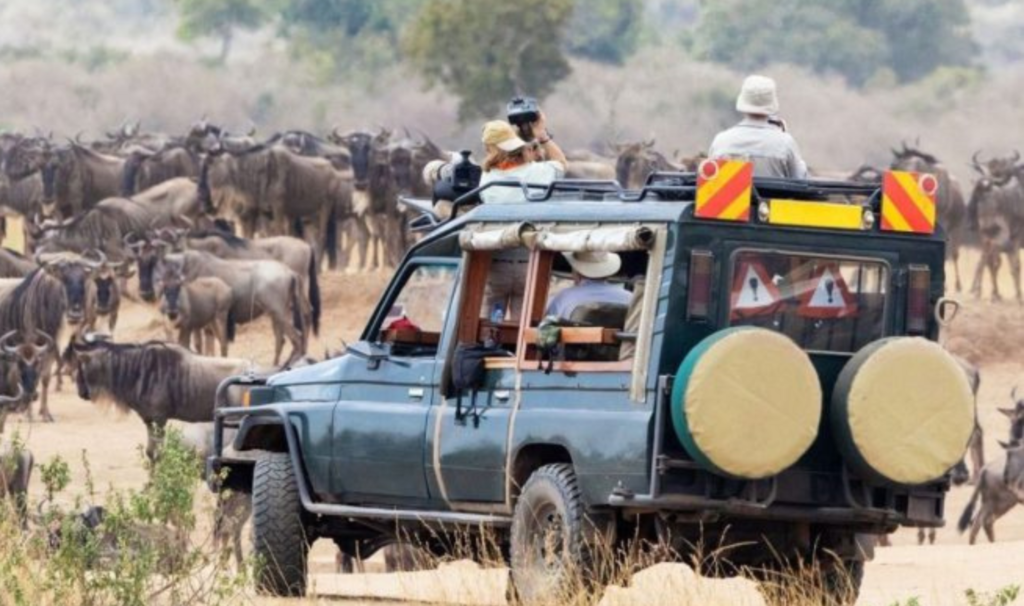
For over fifteen years, I have navigated the corrugated tracks of the Serengeti and the cratered rim of Ngorongoro. I have watched the golden hour light paint the whiskers of a resting lion and seen the frantic energy of a river crossing through the lens of a Leica. As a veteran of East African travel, I can tell you that a luxury african safari tanzania experience is more than just thread-count and fine wine; it is about the “unlimited” access to the world’s most cinematic landscapes.
In 2026, the landscape of wildlife photography has shifted. It’s no longer just about the gear you carry; it’s about the exclusivity of your position. If you are planning a high-end photography tour, you aren’t just looking for a guide; you are looking for a “scout” who understands light, composition, and animal behavior.
1. The Luxury Advantage: Why Tanzania for Photography?
Tanzania is arguably the most photogenic country on the continent. From the prehistoric scale of the Ngorongoro Crater to the “endless plains” of the Serengeti, the geographical diversity is a playground for both wide-angle landscape shots and intimate wildlife portraits.
Private Vehicle Exclusivity
On a luxury african safari tanzania, the first rule of photography is a private vehicle. There is nothing more frustrating for a photographer than being in a shared vehicle where another guest wants to move just as the leopard is about to leap. Luxury tours guarantee you a “private platform” where the driver is your second set of eyes, positioning the car specifically for the best light angle.
Specialized Vehicles & Equipment
In 2026, top-tier photography tours use modified vehicles.
- Swivel Seats: 360-degree rotation for quick tracking.
- Low-Angle Mounts: For that “eye-level” perspective that creates an emotional connection with the subject.
- Electric Inverters: To keep your batteries and laptops charged in the middle of the bush.
2. The “Photography Hotspots” for 2026
The Serengeti: The Migration’s Moving Theater
The Serengeti is the heart of any luxury african safari tanzania.
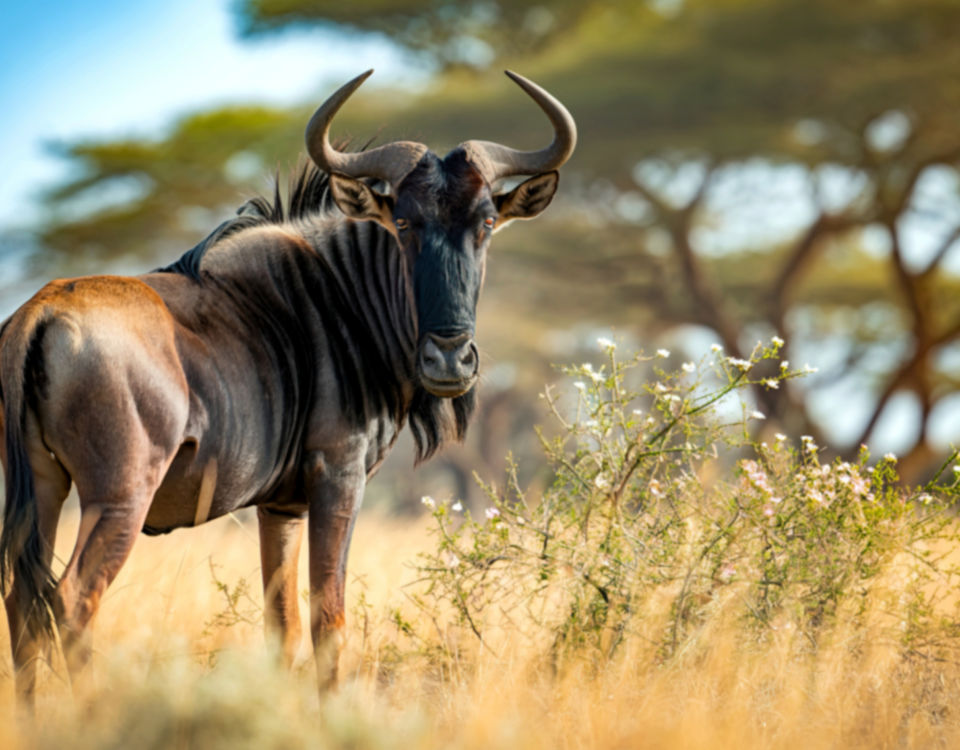
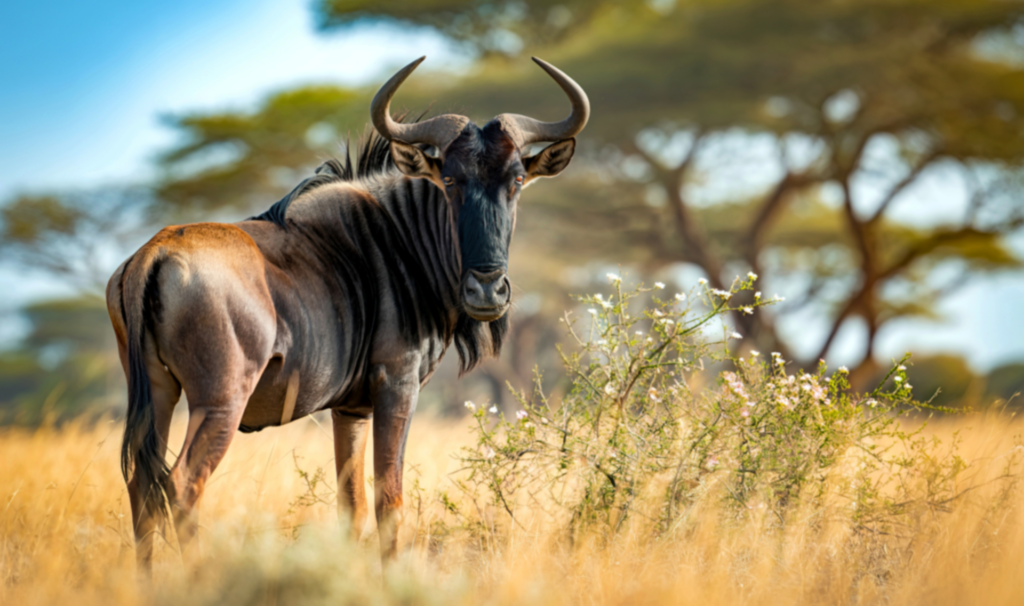
- The Calving Season (Jan–Feb): This is a secret weapon for photographers. In the southern Serengeti (Ndutu), thousands of wildebeest calves are born, attracting high predator action. The emerald grass provides a vibrant contrast to the tawny coats of hunting cheetahs.
- The Crossings (July–Sept): The dramatic Mara River crossings are high-stakes photography. You need a luxury mobile camp—one that moves with the herds—to ensure you are at the riverbanks at first light.
Ngorongoro Crater: The Natural Studio
The Crater is a high-density wildlife bowl. Because the animals are largely resident, they are more habituated to vehicles, allowing for incredibly close-up portraits of the rare Black Rhino or the “Big Tuskers” (giant elephants).
- Expert Tip: In 2026, luxury operators are offering “Early Entry” permits. Being the first vehicle on the crater floor at 6:00 AM means you capture the mist rising off Lake Magadi, a scene that looks like a Renaissance painting.
3. Beyond the Lens: The Luxury Infrastructure
When the camera is put away, the “luxury” side of the tour begins. In 2026, Tanzania perfected the “Bush Glamour” aesthetic.
- Sustainable Elegance: Lodges like Singita Sasakwa or Four Seasons Safari Lodge provide not just comfort, but specialized “Media Rooms” where you can edit your day’s RAW files on high-definition monitors with ultra-fast satellite internet.
- The Fly-In Convenience: To save your gear from the vibration of long road trips, luxury tours utilize bush planes. You fly from Arusha directly into the Serengeti, landing on dirt airstrips where your private guide is waiting with chilled towels and refreshments.
4. Masterclass Gear Tips for 2026
Even on a luxury african safari tanzania, weight is an issue for bush flights. Here is what I recommend for the 2026 season:
- The Hybrid Setup: Mirrorless is now the standard. Bodies like the Sony A1 or Nikon Z9 offer the silent shutter speeds necessary not to spook skittish leopards.
- Lenses: A 400mm f/2.8 is the gold standard for low-light morning shots. Pair it with a 70-200mm for medium-range environmental portraits.
- Stability: Beanbags are often better than tripods in a safari vehicle. Most luxury operators provide these pre-filled, so you don’t have to carry the weight.
5. Planning the Logistics: 2026 Travel Updates
Tanzania has modernized its entry protocols significantly.
- The e-Visa: You should apply at least 3 weeks in advance.
- Health: Yellow Fever certificates are required if you are arriving from a “risk country” (like Kenya).
- Tipping: On luxury tours, tipping for guides is typically $20 – $30 per person, per day, reflecting their specialized photography expertise.
Editorial Policy & Research Integrity
This guide is produced by Kenya Safaris Tours and adheres to the “Ground-Truth” editorial policy.
- Vetted Partners: We only recommend lodges and vehicle operators that meet our 25-point “Luxury & Ethics” checklist.
- Current Data: All park fees and permit costs are verified against the TANAPA (Tanzania National Parks) 2026 guidelines.
- Expert Authorship: This content is written by specialists with a minimum of 10 years of on-the-ground safari management experience.
FAQ:
1.How much does a luxury photography safari in Tanzania cost?
For 2026, expect to pay between $1,200 and $2,500 per person, per day. This includes private vehicles, internal bush flights, high-end lodges, and all park/conservation fees.
2.Is Tanzania better than Kenya for photography?
Tanzania generally offers more “vast” landscapes and higher wildlife density in the Ngorongoro and Serengeti. However, Kenya’s Masai Mara allows for more off-roading in private conservancies. For wide-angle “classic” Africa shots, Tanzania is the winner.
3.What is the best month for a photography tour?
September is the peak for the migration crossings. February is the peak for predator-prey interaction in the Ndutu region. For bird photography and lush green backgrounds, December is the “hidden gem” month.
4.Are there drones allowed on Tanzania safaris?
Generally, no. The use of drones in National Parks is strictly prohibited without specialized permits from the Ministry of Natural Resources and Tourism, which are rarely granted to tourists to avoid stressing the animals.
5.How do I keep my camera gear safe from dust?
Dust is the enemy. On a luxury african safari tanzania, your vehicle will have dust-covers, but we recommend bringing “pantyhose” or specialized fabric skins to cover your lenses between sightings.
Capture the Extraordinary with Kenya Safaris Tours
At ,Kenya Safaris Tours we don’t just book rooms; we engineer moments. Our 15 years of experience means we know which guides are photographers themselves—the ones who know exactly where to park the car to catch the sun glinting off a lion’s mane.
Contact Kenya Safari Tours:
- Website: KenyaSafariTours.com
- Email: info@kenyasafaristours.com
- WhatsApp/Call: +256414532162 / +256773912891
- Location:Kajjansi Bweya, Along Kajjansi Bweya Lutembe Rd, Near West Minister Theological College.