Ultimate African Safari in Kenya: Best Parks, Wildlife & Travel Tips

Masai Mara Kenya Safari Guide: Best Time, Cost & Big Five Experience
February 6, 2026
Fly-In Tanzania Safari Tours: Are They Worth It?
February 10, 2026
For many, an African safari in Kenya is the fulfillment of a lifelong dream. Having spent over 15 years guiding travelers through the dust-kicked plains of East Africa, I can tell you that Kenya is not just a destination; it is the birthplace of the modern safari.
In 2026, the experience has evolved. While the thundering hooves of the Great Migration remain the headline act, the “ultimate” safari now balances iconic bucket-list moments with “slow travel” in private conservancies and high-tech conservation efforts. Whether you are a first-time visitor or a seasoned explorer, this guide provides the expert insight you need to navigate Kenya’s diverse ecosystems.
1. The Crown Jewels: Best Parks for Your African Safari in Kenya
Kenya’s landscape is a patchwork of volcanic craters, soda lakes, and golden savannahs. To see the best of the country, you must strategically pick your parks based on your wildlife priorities.
Masai Mara National Reserve: The Stage of Drama
No African safari in Kenya is complete without the Mara. It remains the most wildlife-dense region on the continent.
- The Draw: Home to the “Big Five” and the stage for the Great Wildebeest Migration (July–October).
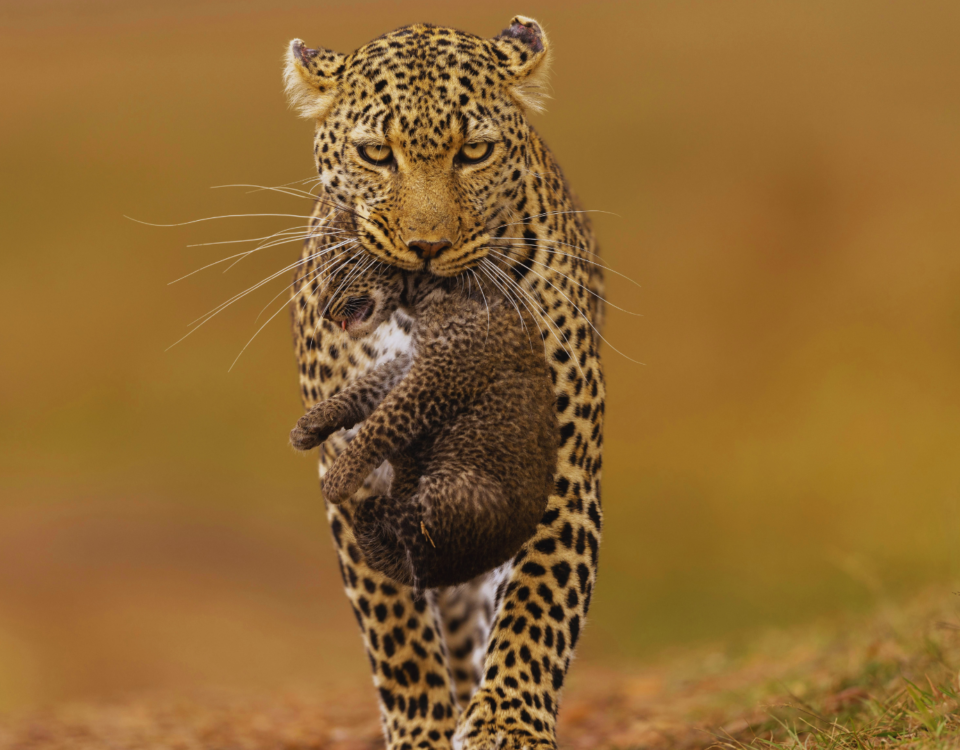
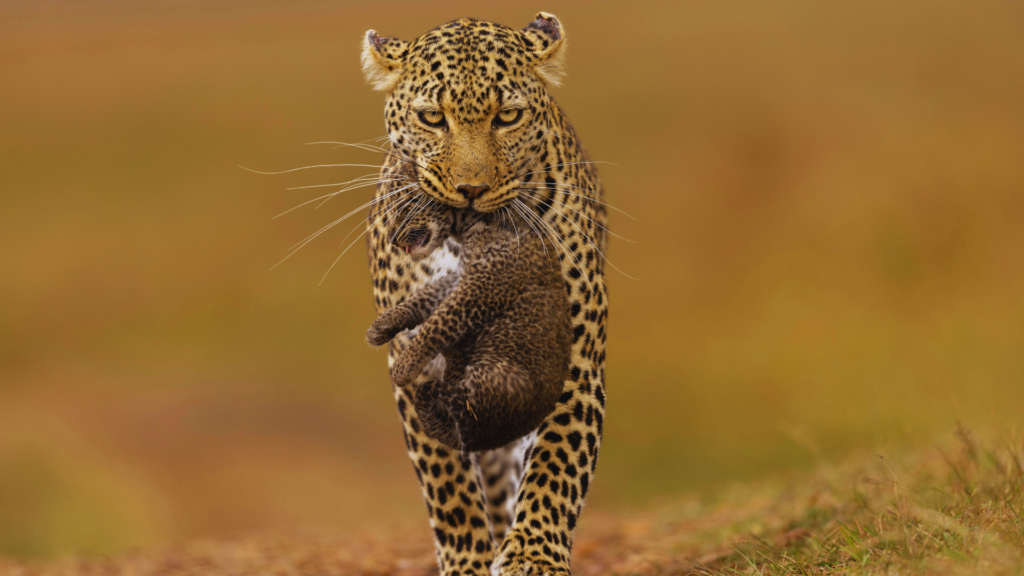
- Expert Tip: In 2026, I recommend looking at the Mara Triangle or private conservancies like Mara North. These areas offer stricter vehicle limits, meaning you can watch a leopard hunt without twenty other land cruisers blocking your view.
Amboseli National Park: The Land of Giants
Amboseli is where you find the iconic postcard shot: massive “Big Tusker” elephants framed against the snow-capped peak of Mount Kilimanjaro.
- The Experience: The park’s dry, flat plains make wildlife spotting incredibly easy. It is the best place in the world to study elephant social structures up close.
Samburu & Buffalo Springs: The Rugged North
For those seeking something different, the arid north offers the “Samburu Special Five”—species you won’t see in the Mara.
- Reticulated Giraffe
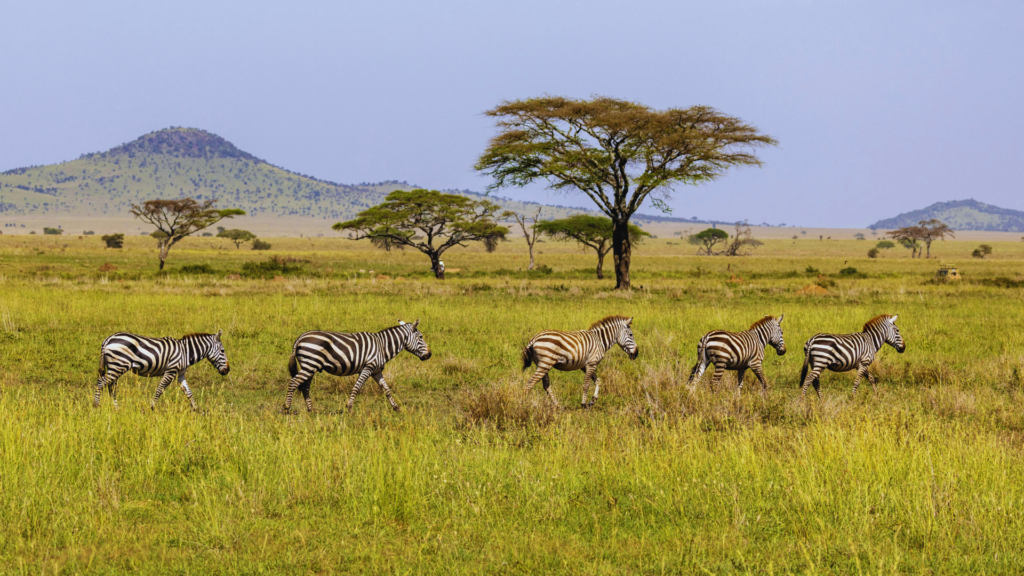
- Grevy’s Zebra
- Somali Ostrich
- Beisa Oryx
- Gerenuk (the “giraffe-necked” antelope)
2. Timing Your Journey: When to Go
Timing is the most critical factor in the success of an African safari in Kenya. In 2026, climate shifts have made the “shoulder seasons” more attractive for savvy travelers.
- Dry Season (June – October): Peak migration time. The grass is short, and animals congregate around water holes. This is the best time for general wildlife viewing.
- Short Dry Season (January – March): Excellent for big cats and birding. This is also “calving season,” where you can witness the circle of life in its rawest form.
- The Green Season (April – May): Often overlooked due to rains, but perfect for photographers. The dust is gone, the air is clear, and luxury lodges often offer significant discounts.
3. Essential Wildlife & Travel Tips for 2026
Safaris have become more sophisticated. Here is how to prepare like a pro.
The 2026 eTA Requirement
Kenya has moved to a 100% digital entry system. You no longer apply for a “visa” but for an Electronic Travel Authorization (eTA).
- Tip: Apply at etakenya.go.ke at least three weeks before your flight. The fee is approximately $30 USD.
Packing: The “Neutral” Rule
I still see guests arriving in bright blue or black. Don’t do it. * Blue and black attract Tsetse flies (which have a nasty bite).
- White gets ruined by red dust in minutes.
- Stick to khaki, olive, and tan. It helps you blend into the bush and stay cool.
Plastic Ban
Kenya is a global leader in fighting plastic pollution. It is strictly illegal to bring single-use plastic bags into the country. Use reusable dry bags or cotton totes for your luggage.
4. Sample 10-Day “Ultimate Kenya” Itinerary
If you want a balanced experience that covers the most ground without feeling rushed, follow this expert-vetted route:
| Days | Location | Focus |
| 1-2 | Nairobi | Giraffe Centre & Sheldrick Elephant Orphanage |
| 3-4 | Amboseli | Big Tuskers & Mt. Kilimanjaro Views |
| 5-6 | Ol Pejeta | Rhino conservation & Chimpanzee sanctuary |
| 7-10 | Masai Mara | The Big Five & Great Migration |
5. Editorial Policy & Research Integrity
At Kenya Safaris Tours, our content is grounded in over a decade of field experience.
- Vetted Destinations: We only recommend parks and conservancies that adhere to high ethical wildlife viewing standards.
- Fact-Checked Logistics: All travel requirements, including eTA and health protocols (Yellow Fever/Malaria), are cross-referenced with the Kenya Ministry of Health and the Directorate of Immigration.
- Sustainability Focus: We prioritize “Gold-Rated” eco-lodges that directly support local Maasai and Samburu communities.
FAQ:
1.How much does an African safari in Kenya cost in 2026?
Budgeting is tiered. A mid-range safari typically costs $450 – $700 per person per night. Luxury fly-in safaris can exceed $1,500 per night. Note that park fees in the Masai Mara have increased to $200 per day during peak season in 2026.
2.Can I see the Big Five in one park?
While the Masai Mara and Ol Pejeta are your best bets, it is never guaranteed. Combining two different ecosystems (like the Mara and Lake Nakuru) significantly increases your chances of seeing all five in one trip.
3.Is Kenya safe for solo or family travelers?
Absolutely. The safari industry is highly regulated and safe. For families, many lodges now offer “Junior Ranger” programs. Solo travelers can join “group joining safaris” to lower costs and meet fellow explorers.
4.What is the best way to get between parks?
In 2026, “Fly-in Safaris” are the gold standard. They save you 6-8 hours of driving on bumpy roads, giving you more time on game drives. However, road safaris are more affordable and allow you to see the local culture and villages.
5.Do I need a Yellow Fever shot?
If you are traveling from a country with a risk of Yellow Fever transmission (including layovers longer than 12 hours in countries like Ethiopia), you must show proof of vaccination. Regardless, we always recommend carrying your “Yellow Card” as a precaution.
Ready to Start Your Adventure?
An African safari in Kenya is more than just a holiday; it is a life-changing encounter with the natural world. At Kenya Safaris Tours, we pride ourselves on creating bespoke itineraries that avoid the crowds and find the heart of the wild.
Contact Kenya Safari Tours:
- Website: KenyaSafariTours.com
- Email: info@kenyasafaristours.com
- WhatsApp/Call: +256414532162 / +256773912891
- Location:Kajjansi Bweya, Along Kajjansi Bweya Lutembe Rd, Near West Minister Theological College.