

Safaris in Kenya Africa: A Guide to the Best Destinations in 2026

Serengeti Adventures with Tanzania Safaris & Tours by Kenya Safari Tours
January 27, 2026
Top Wildlife Experiences During Masai Mara Safari Kenya
January 31, 2026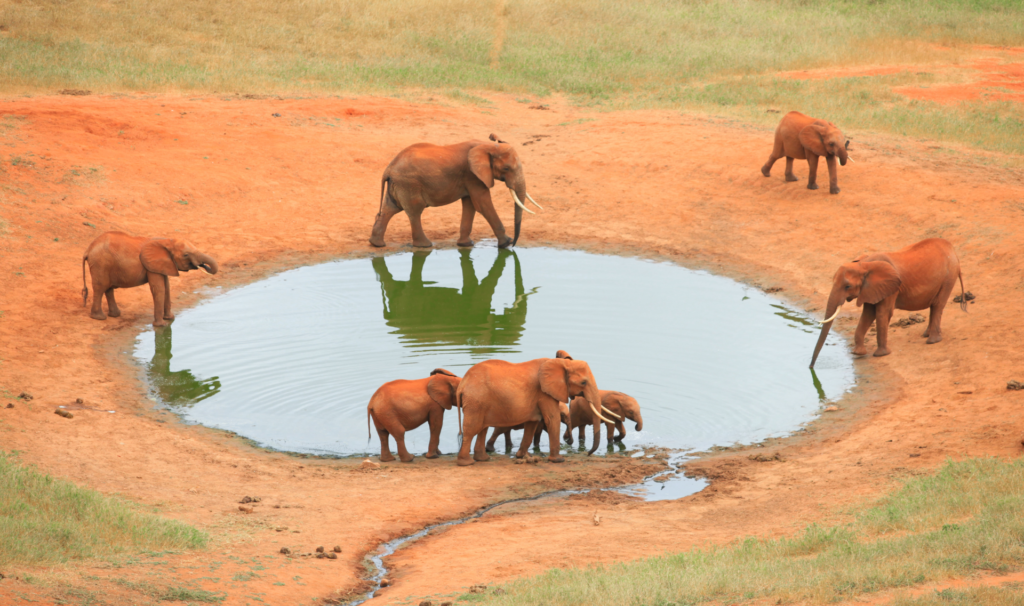
For over fifteen years, I’ve had the privilege of witnessing the first light of dawn break over the acacia-dotted horizon of the Masai Mara. I have watched the dust plumes of a thousand wildebeest rise into the sky and listened to the deep, guttural roar of a territorial lion echoing through the night. As a veteran of safaris in Kenya Africa, I can tell you that while the landscapes remain timeless, the way we experience them has entered a sophisticated new era in 2026.
Kenya isn’t just a destination; it’s the spiritual home of the safari. In 2026, the trend has shifted from “ticking off the Big Five” to deep, immersive, and sustainable travel. Travelers are looking for authentic connections—whether it’s through silent electric game drives or community-led conservation projects that protect the world’s rarest species.
If you are planning your 2026 adventure, here is your expert-led roadmap to the top destinations that define the heart of Kenya.
1. The Masai Mara: Beyond the Great Migration
The Masai Mara remains the crown jewel of safaris in Kenya, Africa. While the Great Wildebeest Migration (July–October) is the most famous draw, 2026 has seen a surge in “Secret Season” travel during the green months (November–June).
- The 2026 Experience: The trend is moving away from the crowded central reserve and into the Private Mara Conservancies like Naboisho and Olare Motorogi. Here, visitor numbers are strictly limited, and you can enjoy exclusive activities like night game drives and guided bush walks—things prohibited in the main reserve.
- Expert Insight: If you want to witness the Mara River crossings in 2026, book a “Fly-in Safari.” It saves you a 6-hour bumpy drive and gives you more time on the ground where the action is.
2. Amboseli: The Land of Giants and Kilimanjaro
There is no sight in Africa quite as iconic as a massive “Big Tusker” elephant framed by the snow-capped peaks of Mount Kilimanjaro. Amboseli National Park is the best place in the world to see these ancient giants up close.
- Why Visit in 2026: In 2026, Amboseli has become a leader in eco-friendly logistics. Many lodges now offer “Silent Safaris” using converted electric Land Cruisers, allowing you to approach elephant herds without the disruptive noise of a diesel engine.
- The View: Head to Observation Hill for a panoramic view of the swamps where hippos and buffalo wallow under the watchful eye of the mountain.
3. Ol Pejeta Conservancy: A Story of Hope
For the conscious traveler, Ol Pejeta is a non-negotiable stop. This is the home of the last two Northern White Rhinos on Earth.
- Conservation in Action: In 2026, you can visit the high-security sanctuary to see these majestic creatures and learn about the groundbreaking IVF technology being used to save the species.
- The Big Five: Ol Pejeta is one of the few places in Kenya where you are almost guaranteed to see both Black and White rhinos alongside the rest of the Big Five in a single day.
- Samburu: The Rugged North
If you’ve done the Mara and want something different, head north to Samburu National Reserve. The landscape is arid, dramatic, and hauntingly beautiful, bisected by the life-giving Ewaso Ng’iro River.
- The Samburu Special Five: Look for species you won’t find in the south: the Reticulated giraffe, Grevy’s zebra, Somali ostrich, Beisa oryx, and the Gerenuk (a long-necked antelope that stands on its hind legs to eat).
- Culture: 2026 is the year of Maasai and Samburu community-led tourism. Many camps are now owned and operated by the local tribes, ensuring your travel dollars directly support indigenous land rights and education.
5. Tsavo East & West: The Red Elephants
Tsavo is Kenya’s largest protected area, and it feels wild. It is famous for its “Red Elephants,” so named because they dust-bathe in the park’s vibrant volcanic soil.
- Tsavo West: Offers a varied landscape of ancient lava flows (the Shetani Flow) and the crystal-clear Mzima Springs, where you can watch hippos and crocodiles from an underwater viewing chamber.
- Tsavo East: This is for the true adventurer. It’s vast, flat, and offers a sense of solitude that is hard to find in the more popular parks.
Practical Planning for 2026 Safaris
The logistics of safaris in Kenya Africa have changed significantly in the last year. Here is what you need to know for a seamless trip.
The New eTA Requirement
As of late 2025, Kenya has transitioned from the traditional E-Visa to the Electronic Travel Authorization (eTA).
- Cost: Approximately $30 USD.
- Timeline: You must apply at least 2 weeks before your flight.
- Official Site: Only use the government portal at etakenya.go.ke.
2026 Cost Estimates
| Category | Daily Rate (Per Person) | What’s Included |
| Mid-Range | $400 – $600 | 4-star camps, shared game drives |
| Luxury | $800 – $1,500 | 5-star lodges, private vehicles, bush meals |
| Elite/Impact | $2,000+ | Private villas, helicopter transfers, conservation fees |
Editorial Policy & Research Standards
At Kenya Safaris Tours, our content is built on “Ground-Truth” expertise.
- Direct Verification: Our team of experts visits these parks annually to audit lodge standards and wildlife health.
- Sustainability Check: We prioritize lodges that hold “Gold” or “Silver” ratings from Ecotourism Kenya.
- Fact-Checking: All travel requirements (eTA, health protocols) are cross-referenced with the Kenya Ministry of Tourism and the KWS (Kenya Wildlife Service).
FAQ:
1.Is it better to visit the Masai Mara or Serengeti in 2026?
Both are world-class, but the Masai Mara is often preferred for its accessibility and higher density of predators. In 2026, the Mara’s private conservancies offered a more exclusive experience compared to the busier public sectors of the Serengeti.
2.Can I see the Big Five in a single park in Kenya?
Yes, Ol Pejeta Conservancy and the Masai Mara are your best bets for seeing the Lion, Leopard, Buffalo, Elephant, and Rhino in one location.
3.What should I pack for a 2026 Kenya safari?
Pack light, neutral-colored clothing (khaki, olive). Avoid blue or black as they attract Tsetse flies. Most importantly, Kenya has a strict ban on single-use plastics, so bring a refillable water bottle and avoid plastic bags in your luggage.
4.Is Kenya safe for solo travelers and families in 2026?
Yes. The tourism infrastructure is robust, and “Group Joining Safaris” are a popular, safe way for solo travelers to meet others. For families, many lodges now offer “Junior Ranger” programs to keep children engaged.
5.How do I combine a safari with a beach holiday?
The “Bush to Beach” combo is trending in 2026. You can take a direct flight from the Masai Mara to Diani Beach or the Lamu Archipelago in just 2 hours, making it easy to end your wildlife adventure with some Indian Ocean relaxation.
Experience the Magic with Kenya Safaris Tours
At Kenya Safaris Tours, we don’t just sell trips; we curate legacies. With over a decade of experience, we know the guides who can track a leopard by the flick of a tail and the camps that offer the most breathtaking views of the stars.
Ready to plan your 2026 Kenya adventure? Let’s talk.
Contact Kenya Safari Tours:
- Website: KenyaSafariTours.com
- Email: info@kenyasafaristours.com
- WhatsApp/Call: +256414532162 / +256773912891
- Location:Kajjansi Bweya, Along Kajjansi Bweya Lutembe Rd, Near West Minister Theological College.
