Complete Travel Guide to Safaris in Kenya Africa for First-Time Visitors

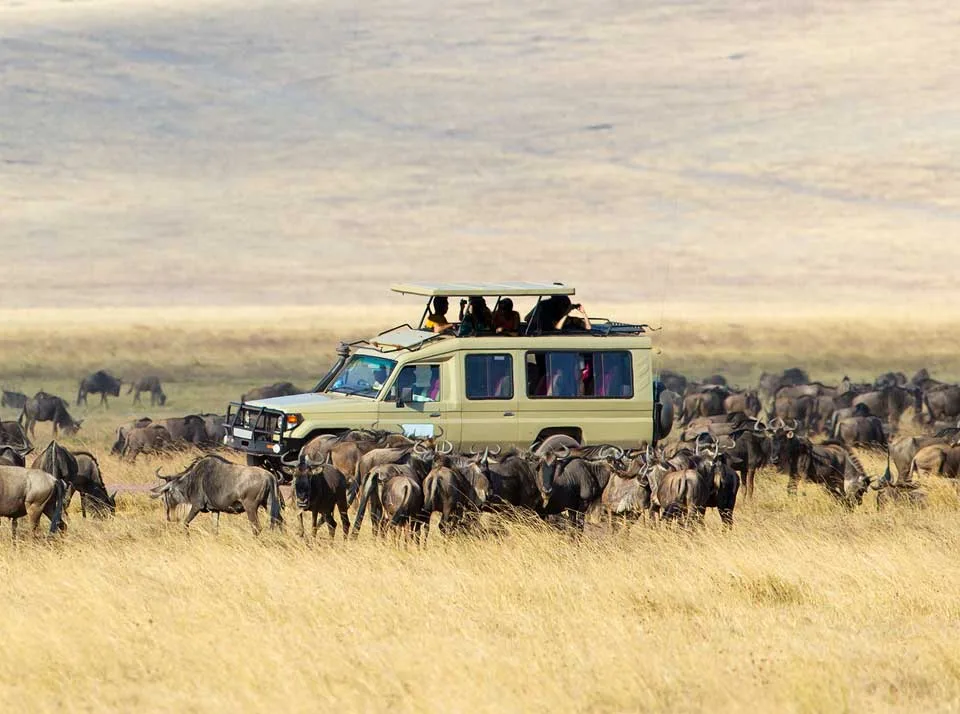
The Great Migration Experience with Kenya Safari Tours
January 21, 2026
Honeymoon Planning Guide for Masai Mara Safari Kenya
January 25, 2026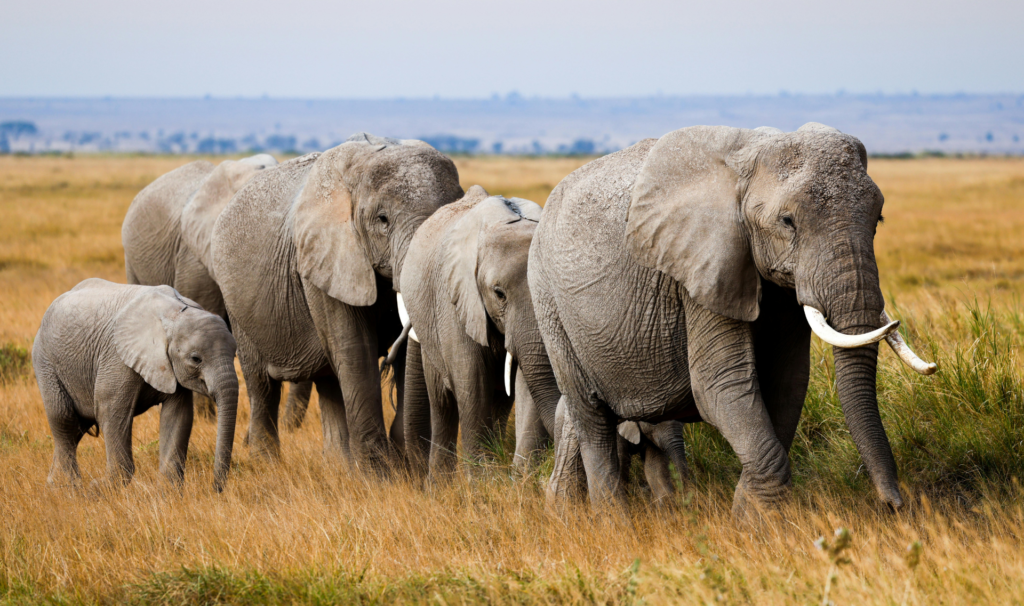
In 2026, planning a safari in Kenya is no longer just about picking a date and a park; it’s about navigating a landscape of high-tech travel authorizations, eco-conscious “barefoot elegance,” and the timeless rhythm of the wild.
If you are a first-time visitor, the sheer scale of the savannah can feel overwhelming. This guide is designed to strip away the noise and give you the grounded, expert advice you need to turn your dream of Safaris in Kenya Africa into a reality.
The Ultimate Guide to Safaris in Kenya Africa for First-Timers
Kenya is the spiritual home of the safari. While other countries offer incredible wildlife, Kenya provides the classic “Out of Africa” backdrop: endless golden plains, acacia trees silhouetted against a lilac sunset, and the raw, unscripted drama of the Great Migration.
Why 2026 is the Year for Kenya
The safari industry has undergone a quiet revolution. In 2026, the focus has shifted toward low-impact, high-engagement travel. You’ll find more “tented” luxury camps that leave zero footprint and more opportunities to engage with community-led conservation than ever before.
- Timing Your Trip: When to Go
Kenya is an equatorial country, so it doesn’t have “four seasons” in the traditional sense. Instead, we plan around the rains.
- The Dry Season (June to October): This is the “Golden Window.” Vegetation is thin, making it easier to spot lions and leopards. This is also when the Great Migration arrives in the Masai Mara.
- The Short Dry Season (January to February): Ideal for birdwatchers and those who want to see newborn animals. The skies are crystal clear—perfect for that shot of Mount Kilimanjaro from Amboseli.
- The Green Season (March to May): The “long rains” bring lush landscapes and lower prices. While some roads can be tricky, the photography is unmatched, and the parks are wonderfully empty.
2. Where to Go: The “First-Timer” Circuit
For your first journey, it is tempting to try to see everything. Don’t. You’ll spend more time in a dusty jeep than watching lions. Instead, focus on these three heavy hitters:
Maasai Mara: The Crown Jewel
No conversation about Safaris in Kenya Africa is complete without the Mara. It’s home to the highest density of big cats. Whether you’re witnessing a river crossing or a cheetah on the hunt, the Mara never delivers the same experience twice.
Amboseli: Land of the Giants
Located at the foot of Mount Kilimanjaro, Amboseli is famous for its “Tuskers”—massive elephants with ivory that almost touch the ground. The sight of a herd crossing the dry lakebed with the snow-capped peak in the background is the quintessential Kenyan image.
Ol Pejeta Conservancy: Conservation in Action
If you want to see the world’s last Northern White Rhinos, this is the place. It’s a private conservancy, meaning you can go on night drives and walking safaris—activities often restricted in national parks.
3. Road Safari vs. Fly-In Safari
This is the biggest logistical choice you’ll make.
- Road Safaris: You’ll travel in a 4×4 Land Cruiser with a pop-up roof. It’s more affordable and allows you to see the “real” Kenya as you pass through small towns and markets.
- Fly-In Safaris: Small planes hop between bush airstrips. It’s fast, offers incredible aerial views, and maximizes your time in the bush, but it comes at a premium price.
4. Practical Essentials: ETA, Health, and Packing
As of 2024, Kenya replaced the traditional visa with the Electronic Travel Authorization (eTA). You must apply for this at least two weeks before arrival.
Health Tip: Consult a travel clinic 6 weeks out. Malaria prophylaxis is standard for most safari circuits, and you’ll likely need a Yellow Fever certificate if you’re arriving from certain countries.
Packing Rule: “Neutral and Layered.” Avoid bright whites (they get dusty) and dark blues/blacks (which attract tsetse flies). Think khaki, olive, and tan. Mornings in the bush are surprisingly cold, so bring a heavy fleece.
Editorial Policy: Why You Can Trust This Guide
At Kenya Safaris Tours, our mission is to provide transparent, field-tested information. Our editorial process involves:
- First-Hand Experience: We don’t just aggregate data; we work with guides who have 20+ years of experience in the Mara and Samburu.
- Accuracy Over Hype: We provide realistic expectations regarding wildlife sightings (nature has no script) and travel times.
- Sustainability Focus: We prioritize recommendations for lodges and operators that hold Eco-Tourism Kenya certifications.
FAQ
1. How much does a 7-day Kenya safari cost in 2026?
Budget safaris start at roughly $200–$300 per day, while mid-range experiences fall between $400–$600. Luxury fly-in safaris can exceed $1,000 per night. These prices typically include park fees, meals, and transport.
2. Is Kenya safe for first-time solo travelers?
Yes. The safari “bubble” is very secure. Most travelers are met at the airport by their tour operator and escorted throughout their trip. In cities like Nairobi, standard urban precautions apply.
3. What is the “12-hour rule” in the Masai Mara?
Park regulations state that game drives are only permitted from 6:00 AM to 6:00 PM. This protects the animals’ hunting and resting cycles. Night drives are generally only allowed in private conservancies.
4. Can I see the “Big Five” in one park?
While the Masai Mara and Ol Pejeta offer the best chances, it’s never guaranteed. To see all five (Lion, Leopard, Elephant, Buffalo, and Rhino), we recommend a multi-park itinerary that includes a rhino sanctuary like Lake Nakuru or Ol Pejeta.
5. Do I need cash or cards on safari?
While most luxury lodges accept major credit cards, you’ll want Kenya Shillings (KES) or small denominations of US Dollars (printed after 2013) for tipping guides and buying local crafts.
Ready to Plan Your Adventure?
The dust of the savannah has a way of getting into your soul. Whether it’s your first time or your tenth, Kenya remains the ultimate theater of the wild.
Contact Us:
- Website: KenyaSafariTours.com
- Email: info@kenyasafaristours.com
- WhatsApp/Call: +256414532162 / +256773912891
- Location:Kajjansi Bweya, Along Kajjansi Bweya Lutembe Rd, Near West Minister Theological College.