

SAMBURU NATIONAL RESERVE
SAMBURU NATIONAL RESERVE
Whether your preferences lean toward exhilarating adventure or tranquil observation, Samburu National Reserve offers a truly unique safari experience for every type of traveler.
Samburu National Reserve is one of the famous travel destinations that you must not miss touring on your Kenya safari.
It should be a key part of your travel plan, as this travel destination is located in northern Kenya near the banks of the famous Ewaso Ng’iro River, which flows from the Kenyan highlands.
It boasts a good location at the southeastern corner of Samburu District in the Rift Valley Province of Kenya. This location makes it one of the most visited game reserves when it comes to Kenya safaris.
It’s famous for its connection to the award winning movie and the best-selling book “Born Free,” which tells the story of Elsa the lioness, raised by conservationists George and Joy Adamson.
This vast expanse of untouched wilderness spans an area of 165 square kilometers, bordering the Ngiro River that flows from northeast to southeast, separating the two areas that are Buffalo Springs National Reserve and Samburu National Reserve.
Samburu is a game rich reserve, standing as a safe and protected home to numerous wildlife species, including rare wild dogs. The reserve is 350 km from Nairobi, the capital of Kenya.
History of the Samburu National Reserve
Samburu National Reserve is a unique protected area that was initially part of the large pastoral zone in Samburu County.
The land acted as a pastoral zone and a traditional homeland to the Samburu, who are nomadic pastoralists and are a people close to the Maasai.
Samburu gained the status of a game reserve in 1985 because of endless efforts by various stakeholders, such as the Kenya Wildlife Service, the locals in the Samburu land, and many others.
The stakeholders recognized a need to preserve the large numbers of wildlife and the environment for sustainable development.
Today, despite being a remote pristine wilderness, the Samburu Reserve is one of the best tourist destinations, offering great wildlife experiences to wildlife enthusiasts.
Management of Samburu National Reserve
The Kenya Wildlife Service (KWS) manages Samburu National Reserve, also known as Samburu National Park. The Kenya Wildlife Service is a government agency that is responsible for conserving and managing Kenya’s wildlife in the many protected areas.
Given the fact that the Samburu Reserve was a poaching hotspot, the Kenya Wildlife Service has enacted anti-poaching laws to protect wildlife in the game reserve.
There is increased range patrol to deter poachers, and there is the use of sniffer dogs that are trained to locate criminals and any illegal act in the wilderness.
The Geographical Location of the Samburu National Reserve
Samburu National Reserve, in Samburu County, is situated north of the equator at an altitude ranging from 800 to 1230 meters above sea level.
It is part of the large ecosystem that includes the Shaba National Reserve and the Buffalo Springs National Reserve. The two places cover an area of 239 sq km and 131 sq km, respectively.
The Samburu Reserve is bordered to the south by the Ewaso Nyiro River, flowing from the Kenyan highlands, a permanent source of water for its wildlife. This river is home to countless animals, especially during the dry season.
Samburu National Reserve is a semi-desert environment characterized by dry conditions, rugged terrain, and sparse vegetation.
Kenya’s two rainy seasons loosely apply to the Samburu National Reserve. The expected amount of rainfall in the reserve annually is approximately 354 mm, and temperatures range from 16°C to 32°C.
Tourist Attractions in Samburu National Reserve
There are many tourist attractions in the Samburu National Reserve, which makes it a prime destination that everyone should consider when on a Kenya wildlife safari.
- Wild Animals
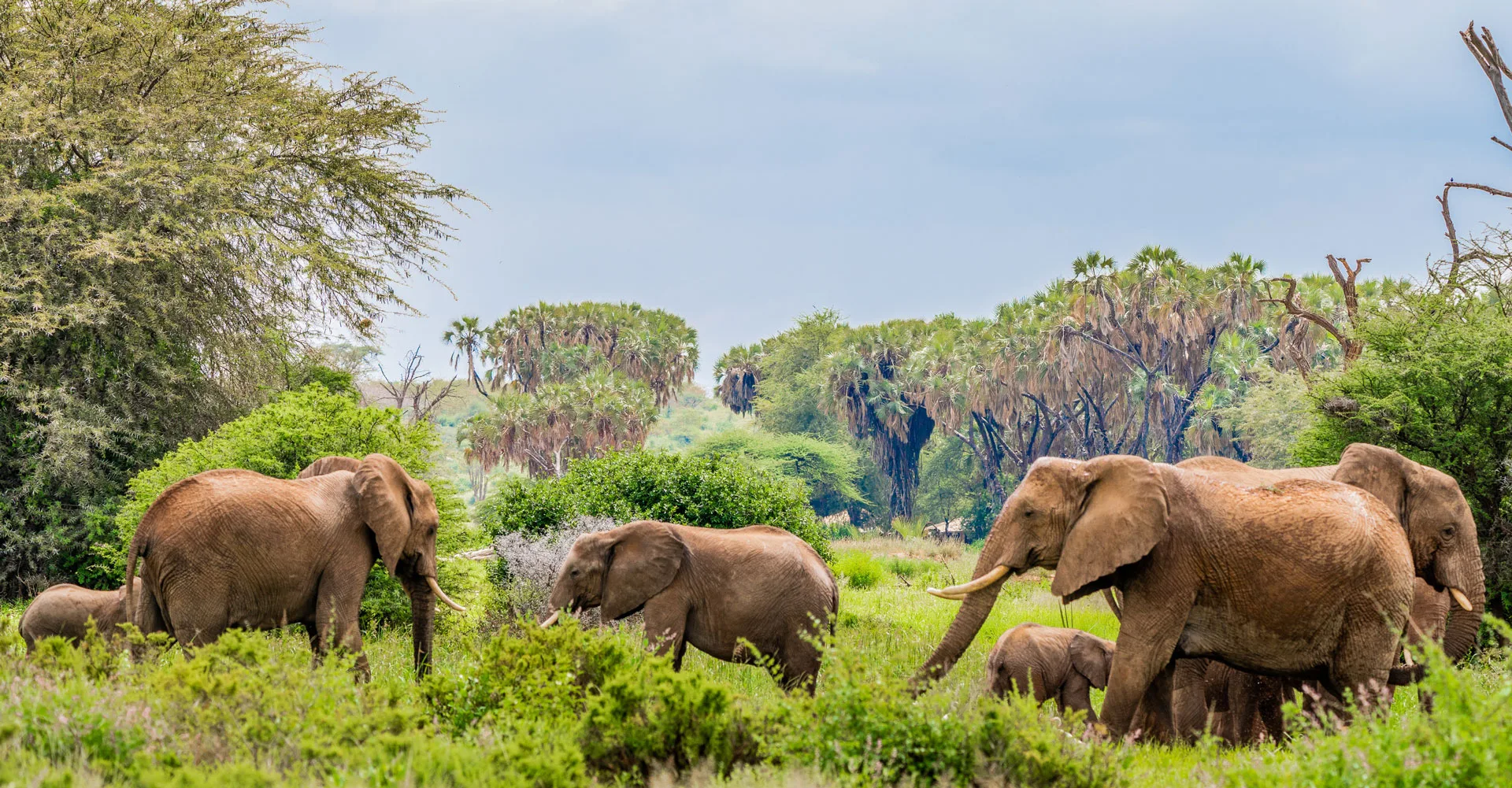
Samburu National Reserve is a game rich reserve with over 75 mammal species.
Among the most common mammals easily spotted on a Kenya wildlife safari are the famous Samburu Special Five” animals: the Grevy zebra, Somali ostrich, reticulated giraffe, gerenuk, and beisa oryx. These freely move between the Samburu and Buffalo Springs National Reserve, and they make the two reserves famous.
Some of these rare species in Samburu Reserve are not found in the typically visited reserves like the Masai Mara National Reserve and parks like Amboseli National Park.
Other animals in the Samburu Laikipia ecosystem include the three big cats, like the lion, leopard, and cheetah.
Other animals found in the reserve are large numbers of African savanna elephants, about 900 individuals, hippos, crocodiles, and antelopes like Grant’s gazelles, dik-diks, impalas, and waterbucks.
Kamunyak, an important attraction, is well known for the famous lioness that adopted a baby oryx, which is a resident in the Samburu Reserve. The wild dog sightings are also a common attraction in his unique protected area. This makes Samburu National Reserve one of the best travel destinations for a Kenya safari.
- Bird Species
Birdlife is abundant in Samburu National Reserve, making Samburu one of the must-visit travel destinations when on a birding tour in Kenya.
Samburu National Reserve is home to over 450 bird species found in different parts of the reserve.
These include the Great Egret, White-headed Vulture, Martial Eagle, African Black Duck, White-faced Whistling Duck, Knob-billed Duck, Blue-billed Teal, Somali Ostrich, Eurasian Wigeon, Yellow-billed Duck, Cape Teal, Red-billed Duck, Northern Pintail, Garganey, Vulturine Guineafowl, Egyptian Goose, Elgon Francolin, Scaly Spurfowl, and Yellow-billed Oxpecker, among other bird species. Some of the bird species can also be found in the nearby Buffalo Springs National Reserve.
- Plant Species
Samburu Reserve features a famous and distinctive range of plant species that you will see on your visit. The common ones include common lantana, Mexican marigold, rattlesnake plant, guava trees, downy oak, floss silk tree, acacia tree, orange cestrum, English oak, sea hibiscus, cockspur coral tree, nettle tree, and thorn trees like umbrella thorn, thorny olive, whistling thorn tree, etc.
Doum Palm Groves
These are unique tree species found in the Samburu National Reserve. They are also commonly found in semi-arid areas of Africa and the Middle East. These trees are notable for their branching structure.
- Ewaso Ngiro River
The reserve is home to the Ewaso Ngiro River, which empties downstream, forming a natural boundary that divides the Samburu ecosystem into two areas: Samburu National Reserve on the north bank and Buffalo Springs National Reserve on the south.
It is a perennial water source that draws a magnificent array of wildlife into this otherwise harsh, dry country. It is the prominent river with brown water in Kenya.
This epic river flows from the Kenyan highlands, especially the slopes of Mount Kenya. It flows to the northeast, and it empties into the Lorian Swamp.
As it flows, it supports an impressive population of crocodiles and hippopotamuses, mostly visible during the dry season.
It acts as a vital oasis for the reserve’s wildlife and birdlife, and the gatherings at the river are a testament to where life flourishes in the savanna.
The presence of the Ewaso Ng’iro River, which flows through the palm groves, thorn trees, and grassland vegetation before it empties into the Lorian Swamp, creates favorable conditions for a large number of wildlife species, including the reticulated giraffe, Grevy’s zebra, cheetah, leopard, and African savanna elephant, among others.
- Mountains
There are two outstanding mountains found in Samburu National Reserve, and they are Mount Koitogor and Mount Ololokwe.
- Rocky Outcrops and Kopjes
Samburu National Reserve is home to small, isolated hills. These, together with the Ewaso Ngiro River, which flows to the northeast and finally southeast, create a favorable environment for the stay of wildlife.
The existence of rocky outcrops and kopjes is a result of the region’s unique geology, serving as a source of inspiration against which safari adventures unfold.
- Samburu People
For the semi-nomadic Samburu people, the rugged, vast plain is more than just a territory; it is their ancestral home, where their traditions and customs have flourished for generations.
A visit to Samburu National Reserve offers an insight into the Samburu culture, particularly their vibrant traditional finery and customs.
Things To Do in Samburu National Reserve
There are many activities that visitors on a Kenya safari can engage in. These include
Game Drives in Samburu National Reserve
As you explore the Samburu National Reserve on a game drive, you are literally walking in the footsteps of conservation history, across the reserve made famous by the award winning movie “Born Free.” You will have a chance to spot common and rare species of wildlife.
Day game trips are organized for travelers on a Kenya wildlife safari in Samburu National Reserve for them to see animals as they follow fresh grazing land. You will have a spectacular glimpse into the daily life of large predators and their prey.
Among the commonly spotted are the special five/dry country species (Grevy’s zebra, Somali ostrich, reticulated giraffe, gerenuk, and Beisa oryx), elephants, Cape buffalo, hippos, Grant’s gazelles, olive baboons, large predators like hyenas, and big cats like lions, leopards, and cheetahs, among others.
On a visit to Samburu National Reserve, you will also spot packs of wild dogs, though sightings are infrequent because these dogs have a rather large distribution area, within which they are constantly moving.
Night drives offer an opportunity for wildlife enthusiasts to spot nocturnal animals. Together with knowledgeable Samburu guides, visitors explore the wilderness at night with the aid of spotlights.
During this night game trip, visitors can often spot animals such as bat-eared foxes, hyenas, leopards, and others. To have an opportunity to do night safari drives, travelers must have a permit.
Bird Watching in Samburu National Reserve
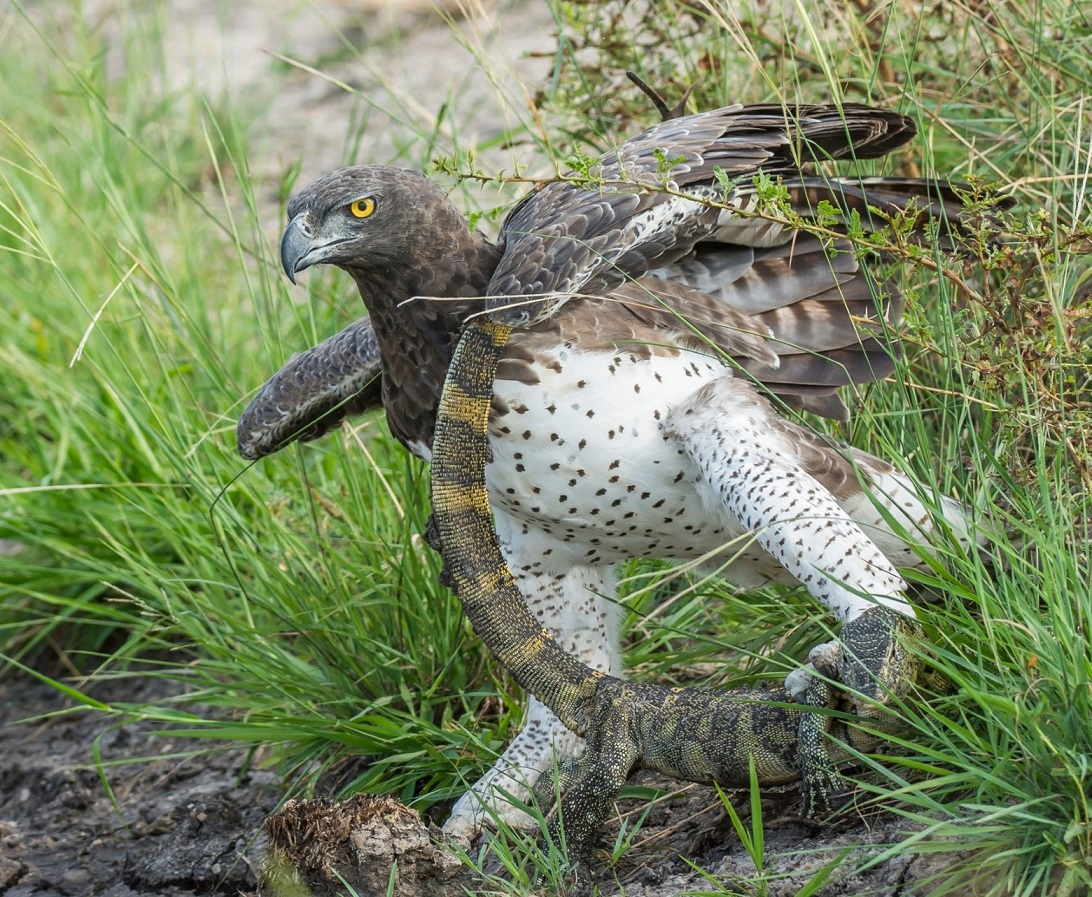
Birdlife is abundant, with over 450 avian species. This makes Samburu National Reserve a birder’s paradise where they can go for their bird watching experiences when on a Kenya birding safari/Kenya safari.
Birdlife to see in Samburu National Reserve includes raptors, waterfowl, hornbills, weavers, African Black Duck, Somali ostrich, vulturine guinea fowl, White-faced Whistling-Duck, Knob-billed Duck, Blue-billed Teal, Eurasian Wigeon, Taita falcon, and Yellow-billed Duck.
Samburu Cultural Tours
Tourists with cultural preferences visit Samburu Village in Samburu County and get an opportunity to immerse themselves in Samburu’s culture. The Samburu County is one of the few places for visits on their Kenya cultural safaris.
On a visit to Samburu, tourists get direct contact with locals to learn about the traditional dance and music of the Samburu people.
The cultural experiences of a Samburu Village offer an inspirational look and a deeper understanding of the traditional way of life of the Kenyans living in Samburu.
Booking a Samburu trip will allow you to immerse yourself in the rich culture of the Samburu local people. Visiting local communities gives one a deeper understanding of the Kenyan culture.
Nature Walks in Samburu National Reserve
Guided nature walks in Samburu National Reserve offer an opportunity for visitors to explore the reserve. Engaging in the guided nature walk gives a great insight into the reserve’s ecology, geology, and biodiversity, allowing travelers to connect with nature.
During a nature walk in Samburu National Reserve, visitors gain immersive experiences studying the properties of different trees and participating in photography to capture memorable moments.
You will see the flat greenness and the extraordinary landscape, which are the same as those featured in the award winning movie “Born Free,” which adds another layer to these unique experiences.
While on nature walks, tourists can still spot animals like the special five/dry country species (Grevy zebra, Somali ostrich, reticulated giraffe, gerenuk, and Beisa oryx), elephant, leopard, cheetah, lion, and lioness, among others.
Camel Trekking in Samburu National Reserve
A camel trek is among the interesting things to do on a Kenya wildlife safari. Camel trekking safaris offer an opportunity for visitors to explore the remote pristine wilderness of Samburu National Reserve on a camel.
When the trading Arabs arrived in the Samburu region, they introduced camels that are used for camel trekking safaris in Samburu National Reserve.
It is a great time for spotting numerous wildlife, Samburu’s special Five (Grevy zebra, Somali ostrich, reticulated giraffe, gerenuk, and Beisa oryx), large predators like cheetah, leopard, lion, and lioness, and others like wild dogs and hyenas.
You will also spot birds like the Somali ostrich and many more from the comfort of a camel’s back. Samburu tribesmen help in conducting these camel trekking trips.
Discover the enchantment of a romantic, nature-filled adventure with camel trekking safaris, offered by a select few operators within the vast Samburu ecosystem.
Visiting Reteti Elephant Sanctuary
The visit to the sanctuary is aimed at learning about their work in rescuing and rehabilitating orphaned and injured elephants.
The Reteti Elephant Sanctuary is Africa’s first community-owned elephant sanctuary. It is a beacon of inspiration, proving that Indigenous-led conservation can be a powerful force for protecting endangered species.
Other activities include fly camping, bush meals and sundowners, and stargazing.
Where to Stay Near Samburu National Reserve
Although Samburu National Reserve is a true definition of a wilderness, there are good accommodation options for those who plan to stay overnight on a wildlife trip in Samburu National Reserve.
There are different categories of accommodation, ranging from budget options to midrange to luxury, and booking any of them depends on one’s budget and preferences.
These accommodation options range from budget options to mid-range and luxury tented camps, lodges, and hotels.
Budget Camps Near Samburu National Reserve
- Umoja Campsite and Eco-Lodge
It is located near the Archer’s Gate, along the Ewaso Nyiro River, and it is just a short distance to the Samburu National Reserve, which is just a 5-minute drive.
Prices range from $25 to $50 per night (per person).
- Lion King Bush Camp
It is found along the banks of the Ewaso Nyiro River, which empties into Lorian Swamp. It is just adjacent to the Samburu Reserve boundary. Besides serving as a comfortable home amid the wild, it offers stunning views of the river, making it easy to spot some animals like crocodiles in the water and along the riverbanks.
Prices for accommodation at the camp range from $175 per night per person.
- Samburu Riverside Tented Camp
Located along the Ewaso Ng’iro River and a short 10-minute drive to Samburu National Reserve, this tented camp offers visitors a comfortable home away from home near Archer’s Post.
Prices for accommodation range from $30 to $55 per night per person.
Mid-Range Lodges and Camps
Mid-range lodges and camps in Samburu provide comfortable accommodation at a relatively fair price, making them an excellent choice for a well-rounded safari plan that doesn’t sacrifice comfort. These include
Ashnil Samburu Camp
It is located along the banks of the Ewaso Ng’iro River, which empties into the Lorian Swamp, close to the heart of the Samburu National Reserve. This camp has over 30 tents with en-suite bathrooms and private verandas towards the river.
Some of the amenities include a swimming pool and a restaurant that serves local and international dishes. Safari drives and guided nature tours are available.
Prices range from $301 to $636.
Luxury Lodges Near Samburu National Reserve
The luxury lodges offer gourmet dining and spacious rooms. Most of these luxury lodges organize private safari drives and other activities, making them the best option for a traveler with a preference for a premium safari experience. These include
Samburu Sopa Lodge
Samburu Sopa Lodge is situated on the high ground towards Samburu, offering sweeping views of the plains.
The different rooms have spacious cottages with private verandas. This makes it easy for travelers to spot the different wildlife and the immediate surroundings.
Prices range from $180 to $200.
Elephant Bedroom Camp
The Elephant Bedroom Camp is located along the banks of the Ewaso Ngiro River in the south. The doum palms and native vegetation surround the camp, giving it an exceptional beauty.
Elephant Bedroom Camp has about eleven spacious tents, and each tent features its own private plunge pool and spacious deck. Rooms are adorned with African-inspired decor. Expect excellent personalized service.
Prices range from $445 to $655.
If your safari plan includes a premium accommodation experience, other luxury camps to consider include Saruni Samburu, Sasaab Camp, Larsen’s Tented Camp, etc.
For accommodation bookings, travelers should contact reputable tour operators.
Other Costs and Charges at Samburu National Reserve
When you plan your trip to Samburu National Reserve, be aware of the different charges for park entrance and activities, as these fees vary depending on the activity and the time you spend at the game reserve.
Samburu National Reserve Entrance Fees
| Category | Non-Resident (USD) | EAC Resident (KES) | Kenyan Citizen (KES) |
| Adults | 70 | 1000 | 500 |
| Children | 40 | 500 | 250 |
Tourist Activities Fees
- Cultural Visit: $20 per person.
- Camel trekking safari between $20 and $40
- Safari drives cost around $75. However, prices vary depending on the type of safari vehicle used and the length of the drive.
Rules and Regulations at Samburu National Reserve
- Visitors should stay in vehicles at all times, except in the only gazetted walking areas and picnic areas that are mostly set beneath the sprawling canopy of acacia.
- Respect the privacy of wildlife because this is their habitat.
- Visitors must not feed reserve animals, as it may alter their diet and feeding time, and they must avoid direct contact with animals.
- Do not crowd the animals or make unnecessary movements.”
- Keep below the maximum speed of 40 kph/25 mph.
- The game reserve hours must be followed, i.e., between 6:00 AM and 6:30 PM.
- Self-driving visitors must follow designated safari routes.
- Respect for Kenya’s cultural heritage. Visitors are not allowed to take photos of the locals without asking for permission.
- Be quiet or speak in a low tone because animals do not want noise.
Best Time to Visit Samburu National Reserve
As you plan to visit Samburu National Reserve, knowing the best time to visit is important.
The Dry Season
The best time to visit Samburu National Reserve on a Kenya wildlife safari is during the two dry seasons. It is from June to October and from December to February.
The dry season is considered the best time to visit Samburu National Reserve for wildlife viewing because animals typically gather around the Ewaso Ng’iro River and other waterholes.
The Wet Season
During the rainy season, animals disperse into two areas: the riverbanks and the more fertile, inland parts of the reserve, driven by the increased availability of water and fresh grazing areas.
Birders may also visit the reserve during the wet season, which runs from March to May and October to mid-December. You will also witness the swollen Ewaso Ngiro River as it empties into the surrounding floodplains.
Conservation Efforts Towards Samburu National Reserve
- Community-managed conservancies like Kalama Conservancy, Namunyak, and Westgate. These conservancies empower local communities to take action in protecting wildlife, managing tourism, and benefiting from the resources provided by the conservancies.
- The Grevy’s Zebra Trust, an organization in the reserve, employs several conservationists, including Samburu women as local scouts and ambassadors to monitor the Grevy’s zebra populations and educate the community, which has helped to protect Africa’s zebras from extinction.
- Lion conservation projects have also been introduced. Here, the famous Samburu warriors, also known as warrior watchmen, are trained to advocate for wildlife and protect lions in the Samburu community.
. Organizations like the Ewaso Lions focus on predator conservation and foster coexistence between lions and the local pastoralist communities.
. Education and awareness programs for local schools that are part of a broader effort to build a long-term culture of wildlife conservation are being carried out.
. The revenue generated from ecotourism is a primary funding source for the reserve’s extensive conservation work.
. Dedicated anti-poaching patrols are a crucial part of the conservation strategy in Samburu, protecting its wildlife from illegal hunting.
. Researchers from the organization Save the Elephants have been studying the Samburu elephant population for decades, providing critical data for conservation.
Packing List for Samburu National Reserve
As you plan your visit to Samburu National Reserve, the following are some of the essential items to pack.
. Guidebook and map
- Smartphone, portable charger, and power bank
- Travel documents, e.g., passport, visa, vaccination certificates, etc.
- First-aid kit
- Insect repellent (DEET or picaridin)
- Toiletries (toothbrush, toothpaste, hairbrush, among others)
- Personal medication as prescribed by the doctor
- Camera with telephoto lens and binoculars.
- Kenyan local currency, US dollar, and ATM card
- Guidebook and map
- Long trousers, a long-sleeved shirt, a waterproof jacket, long socks, and hiking shoes.
How to Get to Samburu National Reserve
Samburu National Reserve is located about 310 km from Nairobi, Kenya’s capital city. It can be accessed both by air and by road.
By Air
Visitors from overseas can take a flight to Jomo Kenyatta International Airport. From Jomo Kenyatta International Airport, several airlines fly to different airstrips in Samburu.
Flights are considered the most convenient because they save one from traffic jams.
Two airlines can be used, that is, Air Kenya and Safarilink, and these operate at the different airstrips in Samburu. These airstrips include Kalama Airstrip and Samburu Oryx Airstrip.
A flight from Nairobi Jomo Kenyatta International Airport takes around 1.5 hours to reach any of the airstrips. This makes flights a better option to reach the Samburu National Reserve.
Traveling by Road

From the airport, visitors can be picked up by a tour operator representative and travel by road to any of the selected safari camps or lodges for breakfast and lodging.
The distance from Nairobi to Samburu ranges from 310 km to 325 km, depending on the gate you choose to use.
A road trip from Nairobi to Samburu via Archer’s Gate takes approximately 5 to 6 hours.
The route to use: Head out of Nairobi on the Thika superhighway and stay on the Nyeri-Karatina highway. Turn right at Marwa Town, 12 km from Karatina. Drive north from Nanyuki via Timau to Isiolo. Use the Eastern Bypass from JKIA to connect to the Thika Superhighway at Ruiru Road Junction. Then drive a small distance off the highway to Archer’s Gate.
Samburu National Reserve (FAQs) Frequently Asked Questions
-
Is Samburu National Game Reserve Safe for Tourists?
Samburu National Reserve is considered safe to visit when on a Kenya trip. The reserve is professionally managed, and adequate security has been put in place to ensure that no rebels or poachers hide in the wilderness.
-
Where is Samburu National Reserve?
Samburu National Reserve is in the semi arid region of Northern Kenya, along the banks of the Ewaso Ng’iro River in Kenya. It covers about 165 km and borders Buffalo Springs National Reserve and Shaba National Reserve.
-
How Many Days Do You Need in Samburu?
A minimum of 3 days and two nights is considered enough time for one to explore the entire Samburu National Reserve to see its wildlife, like African savanna elephants, wild dogs, and antelopes, e.g., beisa oryx, and the reserve’s beautiful scenery.
-
What Activities Can I Expect to Do?
There are various activities to do, which include camel trekking safaris, picnics, Samburu Village tours, nature tours, and safari drives to see animals like the special five (Grevy’s zebra, Somali ostrich, reticulated giraffe, gerenuk, and Beisa oryx), African savanna elephant, leopard, lion, and lioness, among others.
Conclusion
Contact us to help you plan an interesting Kenya wildlife safari in Samburu National Reserve. This interesting journey can be customized to your travel preferences, guaranteeing a rewarding and unique experience, given the lots of fun to engage in.
RELATED KENYA SAFARI PARKS


GET IN TOUCH WITH ONE OF OUR LOCAL TRAVEL EXPERTS
Book our Safaris with Confidence Whether you’re a seasoned adventurer or embarking on your first safari, this essential resource equips you with the knowledge and tools to plan and book your dream wildlife expedition with the absolute assurance
we provide expert advice, insider tips, and practical recommendations to ensure a seamless and unforgettable safari experience. Unleash your wanderlust and dive into the captivating world of safari travel, knowing that you have all the tools to embark on your journey with confidence.”
We’re here to assist you with your needs. If you have any questions about our packages or services, feel free to reach out to us

Chat to an African Safari Expert
Speak to East African tour expert for safari advice and suggestions