10 Essential Tips for Surviving Your First Safari in Kenya Africa

What to Expect on Kenya Safaris & Tours: A Beginner’s Guide
March 18, 2026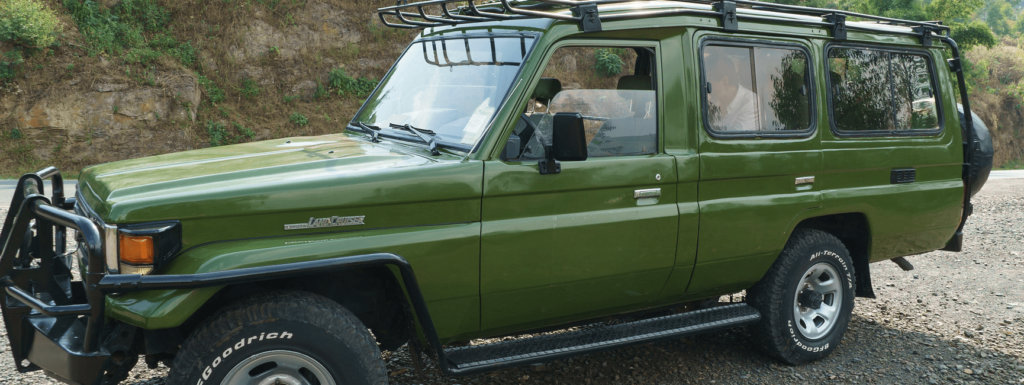
Surviving and maximizing your first Safari in Kenya Africa comes down to packing lightweight, neutral-colored layers, carrying essential health documents like a Yellow Fever certificate, and booking during the dry season (July to October) for peak wildlife visibility. By trusting your local guide and managing expectations around early morning game drives, you will safely experience the ultimate African adventure.
As a travel strategist with over 15 years of experience in the African tour industry, I have seen thousands of itineraries succeed or fail based on preparation. A Kenya safari is not a standard vacation; it is an expedition. The information below cuts through the fluff to deliver exactly what you need to know before touching down in Nairobi.
Demonstrated Experience: The Overpacking Trap
During a recent trip to the Maasai Mara, I watched a first-time traveler miss a fleeting leopard sighting because they were struggling to change out of a heavy winter coat in the back of the Land Cruiser. They had packed for the cold early morning but failed to realize the African sun pushes temperatures up rapidly by 9:00 AM. This real-world mistake highlights why the “onion strategy” (peeling off layers) is non-negotiable for African safaris in Kenya. Keep your gear agile so your focus remains on the wildlife.
Planning Your Kenya Safari Experience
1. Master the Migration Timing
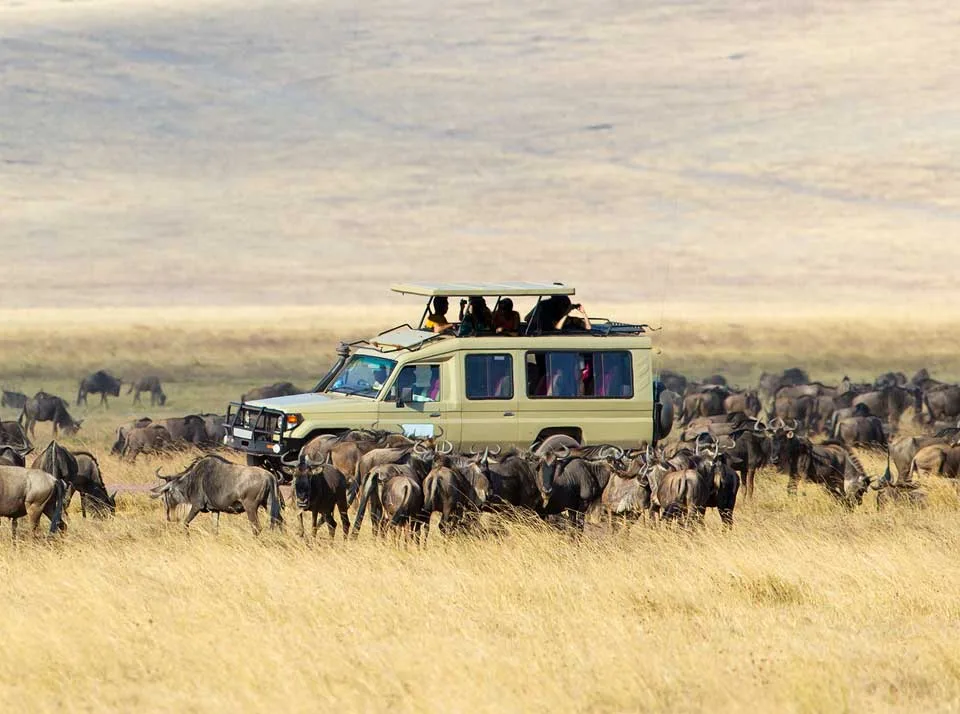
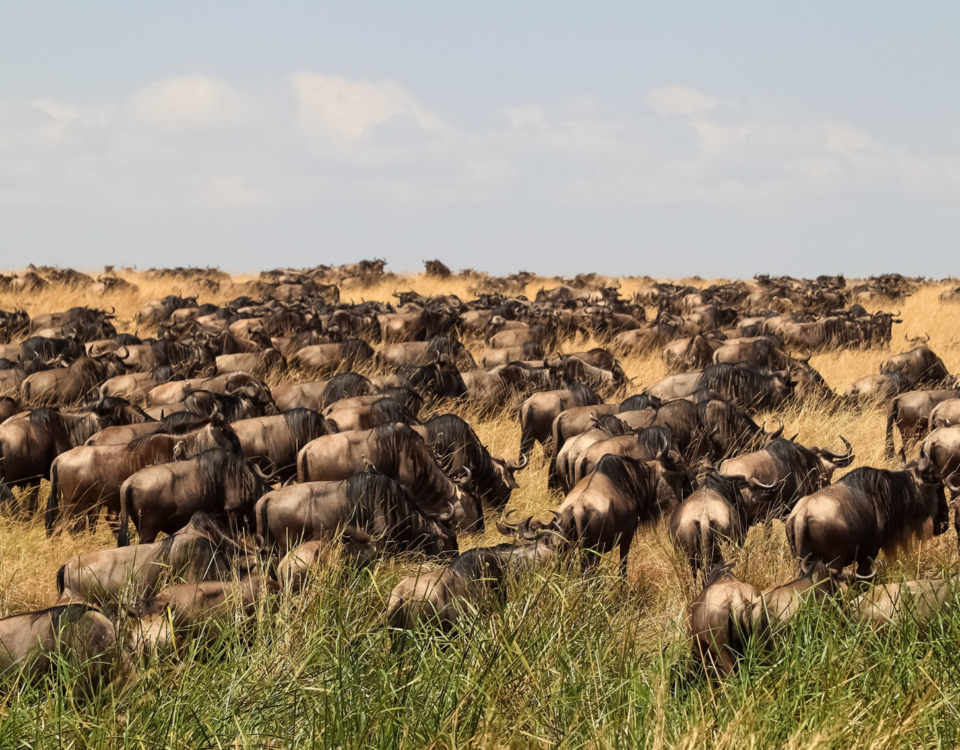
The Great Wildebeest Migration is the holy grail of a Safari in Kenya Africa. However, timing is everything. According to data from the Kenya Wildlife Service, peak river crossings typically occur between July and October.
2. Choose the Right Reserve for Your Goals
Not all parks offer the same experience. First-timers often try to cram too many parks into a single week, leading to exhaustion. Choose one or two parks and explore them deeply.
Comparison of Top Kenya Safaris Destinations
| Safari Destination | Best Known For | Vibe & Terrain | Best Time to Visit |
| Maasai Mara | The Great Migration, Big Cats | Open savannah, high vehicle traffic | Jul – Oct |
| Amboseli | Massive elephant herds, Mt. Kilimanjaro views | Dusty plains, swamps, highly scenic | Jun – Oct |
| Samburu | Rare Northern species (Grevy’s Zebra) | Arid, rugged, off-the-beaten-path | Jun – Sep |
What to Pack for African Safaris in Kenya?
3. Adopt the “Onion” Clothing Strategy
Mornings in the bush are freezing, but afternoons are blistering hot. You must pack clothing that allows you to adapt instantly.
- Base layer: Moisture-wicking t-shirt.
- Mid layer: Long-sleeve fleece or flannel.
- Outer layer: Windbreaker or light jacket.
- Bottoms: Zip-off convertible pants (neutral colors only).
4. Optimize Your Medical Kit
You cannot rely on pharmacies in the bush. Your personal medical kit is your lifeline. Always carry your prescribed anti-malarial medication, a broad-spectrum antibiotic, and basic first-aid supplies.
5. Leave the Bright Colors at Home
Tsetse flies are intensely attracted to dark blue and black clothing, delivering painful bites. Bright colors like red or white act as visual alarms to wildlife. Stick strictly to khaki, olive, and tan.
Surviving and Thriving on Game Drive
6. Trust Your Maasai Guide Implicitly
Your guide has spent decades reading the bush. If they tell you to sit down, stay quiet, or hold on, do it immediately. Their primary job is your safety, followed closely by finding the animals.
7. Manage Your Camera Gear Wisely
Do not rely on a smartphone for wildlife photography; the animals are often too far away. Rent or buy a DSLR/Mirrorless camera with at least a 300mm to 400mm zoom lens. Bring extra batteries and store them in dust-proof bags.
8. Practice Bush Etiquette
Silence is golden on a Kenya safari. Loud talking scares off predators and ruins the experience for others in your vehicle. Whisper when approaching animals, and never call out to wildlife to get their attention.
How to Stay Safe During a Kenya Safari?
9. Follow Camp Curfews Strictly
Many luxury camps in Kenya are unfenced, meaning animals wander through at night. Never walk from the dining tent to your room alone after dark. Always use the Maasai escorts provided by the camp.
10. Stay Inside the Vehicle
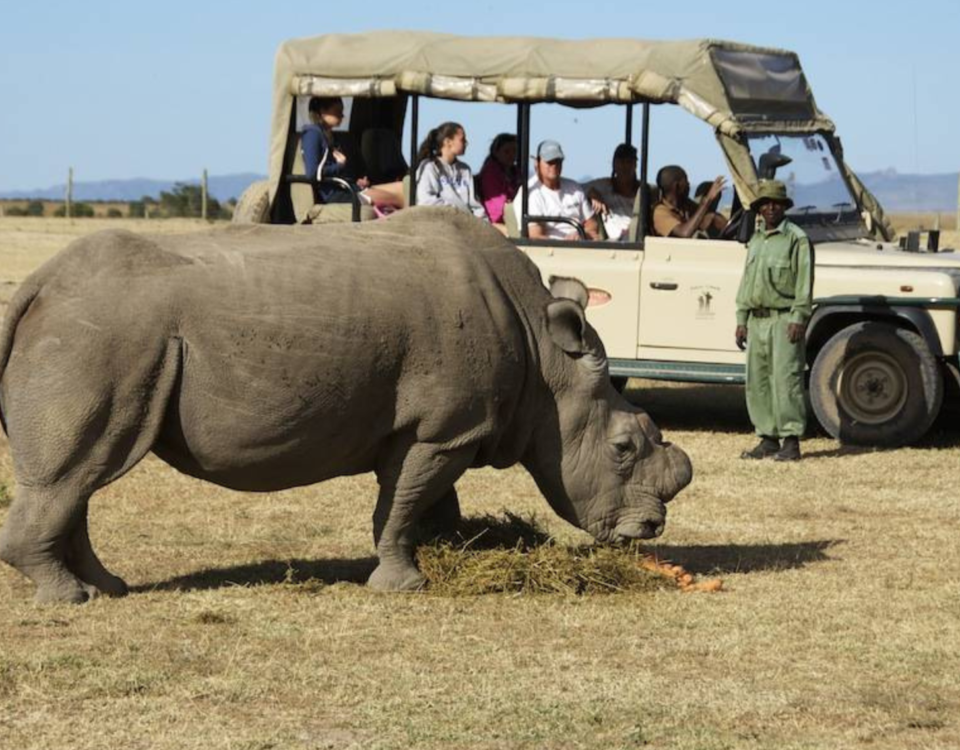
This is the golden rule of African safaris in Kenya. To a lion, a safari vehicle is just a large, non-threatening, smelly metal box. The moment you stand up or hang out of the window, you break the vehicle’s outline and become recognized as prey.
Frequently Asked Questions (FAQ)
How much does a Safari in Kenya Africa cost?
A standard mid-range Kenya safari typically costs between $300 to $600 per person, per day. Luxury, fly-in safaris at private conservancies can easily range from $800 to over $1,500 per person, per day. Costs cover accommodation, park fees, meals, and guided game drives.
What is the best month to go on a Kenya safari?
The ultimate time for a Kenya safari is during the dry season, specifically from July to October. This period aligns with the spectacular Great Migration in the Maasai Mara and ensures vegetation is sparse, making wildlife much easier to spot.
Are African safaris in Kenya safe for families?
Yes, African safaris in Kenya are highly safe for families when proper protocols are followed. Many lodges offer family-specific tents, kid-friendly “bush craft” activities, and enclosed vehicles to ensure a secure environment for younger travelers.